

In slang, “noob” describes someone who’s new, inexperienced, or still learning how to play a game or participate online. It originated from hacker slang and originally meant a neutral term for beginners but has since taken on a more teasing or sometimes harsh tone. Depending on how it’s used, it can be playful or offensive, shaping how people see skill levels and social dynamics. Keep exploring to uncover more about its cultural impact and how it influences online communities.
Open a free Amazon Business account
Business pricing, bulk buying and tax-exempt orders.
As an affiliate, we earn on qualifying purchases.
Key Takeaways
- “Noob” is slang for someone inexperienced or new at a particular activity, especially in online gaming and digital communities.
- It originated from hacker slang “newbie,” shortened to “noob,” and can be used playfully or offensively.
- The term often indicates mistakes or lack of skill, but its tone depends on context and relationship.
- “Noob” contrasts with “newbie” (neutral beginner) and “pro” (expert), highlighting skill levels.
- It influences social dynamics, fostering camaraderie or exclusion within online communities.
The Origins and Evolution of the Term
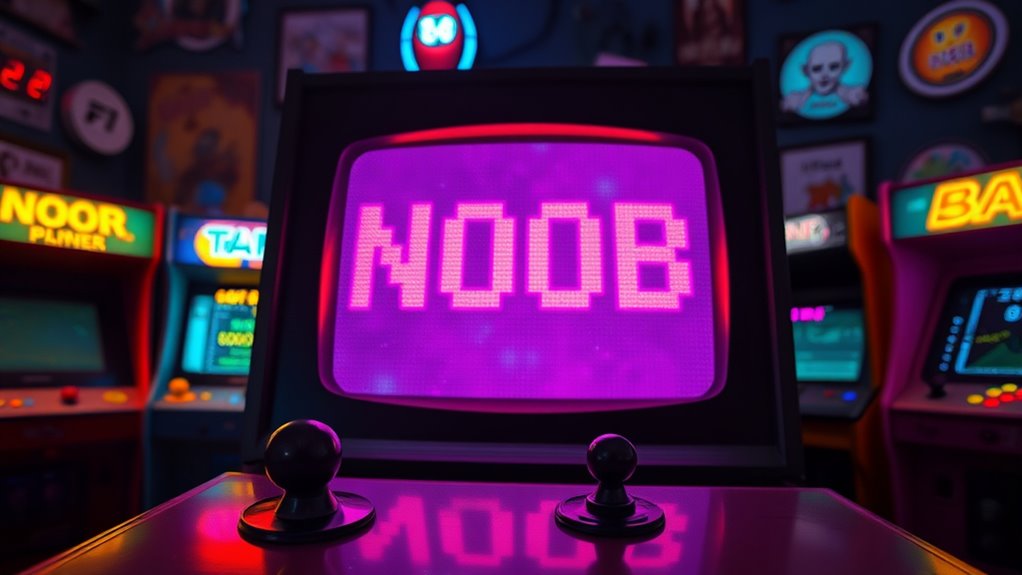
The term “noob” originally emerged from online gaming communities in the early 2000s, where it was used to describe new or inexperienced players. Its historical origins trace back to hacker slang, where “newbie” was shortened to “newb” and eventually evolved into “noob.” Over time, this term spread beyond gaming into broader internet culture, reflecting a shift in its linguistic evolution. Initially, “noob” carried a neutral meaning, simply indicating someone unfamiliar with a game or activity. However, as it gained popularity, its connotation shifted toward teasing or mocking less experienced individuals. Today, “noob” is a widely recognized slang term that continues to evolve, often used both playfully and pejoratively across various online communities. Additionally, the influence of modern digital communication has helped popularize and diversify its usage across different platforms and contexts.
How “Noob” Is Used in Online Communities

In online communities, you often see “noob” used to describe newcomers learning the ropes. The tone can vary from playful teasing to harsh criticism, depending on the context. Understanding how it’s used helps you grasp the attitudes and social dynamics within these spaces. Recognizing self-awareness can also influence how one interprets such labels and interacts with others.
Common Contexts for “Noob”
You’ll often see “noob” used in online gaming communities to describe beginners who are still learning the ropes. It’s common in gaming slang and often appears during online banter. Here are some typical contexts:
- New Player Mistakes – When someone makes obvious errors, they’re called a noob.
- Lack of Experience – Players who haven’t mastered game mechanics are labeled noobs.
- Learning Curve – During early gameplay, newcomers are often called noobs by seasoned players.
- Friendly Teasing – In online banter, “noob” can be used humorously among friends or as trash talk.
- Inexperience in Specific Skills – The term can also refer to unfamiliarity with essential game techniques, highlighting their need for practice.
In all cases, “noob” highlights inexperience, shaping how players interact and joke around online.
Tone and Attitudes in Use
How “noob” is used in online communities reveals a wide range of attitudes, from playful teasing to outright hostility. Tone variation often reflects the context and relationship between users. In friendly chats, “noob” might be a lighthearted joke, showing camaraderie. In hostile environments, it becomes a dismissive insult, emphasizing skill gaps. Attitude shifts happen quickly, depending on the conversation. Here’s a snapshot:
| Tone Type | Typical Attitude Shift |
|---|---|
| Playful | Teasing, humorous, inclusive |
| Respectful | Constructive, encouraging, educational |
| Neutral | Informative, matter-of-fact |
| Hostile | Derisive, insulting, dismissive |
| Aggressive | Confrontational, mocking |
This spectrum highlights how “noob” can change from camaraderie to conflict, driven by tone variation. Recognizing contextual cues can help in understanding the intended tone and attitude behind its use.
The Difference Between “Noob,” “Newbie,” and “Pro

Ever wondered what truly sets apart a “noob,” a “newbie,” and a “pro” in gaming or online communities? In gaming slang, these terms describe skill levels and familiarity. Here’s a quick breakdown:
- Noob: Often used negatively, it’s someone who lacks experience and makes common mistakes.
- Newbie: A beginner just starting out, enthusiastic to learn but still unfamiliar with the game’s mechanics.
- Pro: An expert who has mastered the game, often competing at high levels.
- Difference: “Noob” and “newbie” are beginner-related, but “noob” can carry a more dismissive tone, while “pro” signifies mastery in internet language. This distinction helps clarify skill levels in gaming slang.
Additionally, understanding the difference in connotations can help players communicate more effectively and avoid misunderstandings within online communities.
The Cultural Significance of “Noob” in Gaming

You might notice that calling someone a “noob” can shape how players see themselves and others in gaming communities. This term often influences group dynamics, either fostering camaraderie or causing exclusion. It also plays a role in how harassment and inclusivity are addressed within gaming spaces. The use of “noob” can sometimes reflect underlying self-esteem issues among players, similar to narcissistic traits where validation and recognition are highly sought after.
Community Dynamics and Identity
Have you ever noticed how the term “noob” shapes the way gamers interact and identify themselves within communities? It’s more than just online slang; it influences digital identity and group dynamics. When you see or use “noob,” it can:
- Signal experience levels, fostering inclusion or exclusion.
- Reinforce community hierarchies based on skill.
- Create shared language that bonds players together.
- Sometimes serve as playful teasing or a badge of honor.
A deeper understanding of community dynamics reveals how such terms contribute to shaping social interactions and identities within gaming environments.
Understanding the cultural significance of “noob” helps you see how language shapes community cohesion and individual identity. It’s a way gamers connect, challenge, and define themselves within the digital space, making “noob” a powerful symbol beyond its simple meaning.
Harassment and Inclusivity
In gaming communities, the term “noob” can often be a double-edged sword, influencing both how players interact and how inclusive or hostile those interactions become. Using “noob” to tease or belittle newcomers can foster harassment, making players feel unwelcome and isolated. To promote a positive environment, implementing inclusion strategies is essential—encouraging respectful communication and understanding of different skill levels. Harassment prevention measures, like reporting tools and moderation, help curtail toxic behaviors linked to negative stereotypes. When you approach “noob” with empathy and patience, you contribute to a more inclusive gaming culture. Recognizing that everyone starts somewhere fosters a space where players feel safe to learn and improve without fear of ridicule or hostility.
Playful vs. Offensive Uses of “Noob

The term “noob” can be used in both playful teasing and offensive insults, depending on the context and tone. In online slang and digital culture, how you use it shapes its meaning. Here are four ways it can differ:
- Friendly ribbing: You call a friend a “noob” when they make a funny mistake, showing camaraderie.
- Joking challenge: You tease someone new to a game, encouraging them to learn without hostility.
- Insult: You label someone a “noob” dismissively, suggesting they lack skill or knowledge.
- Derogatory remark: You use it to belittle someone intentionally, which can lead to negativity.
- Recognizing the context of usage is essential for understanding whether “noob” is intended playfully or offensively.
Your tone and relationship determine if “noob” is playful or offensive, reflecting its fluid role in digital culture.
The Impact of “Noob” on Internet Communication
“Noob” has substantially shaped how people communicate online, influencing both social interactions and community dynamics. As part of online slang, it often defines whether someone is seen as inexperienced or just learning, affecting digital identities. When you use or encounter “noob,” it can create a sense of inclusion or exclusion, shaping how communities grow and interact. It encourages newcomers to learn quickly or face teasing, which impacts the tone of conversations. Over time, “noob” has become a shorthand for identifying skill levels, making communication more efficient but also more judgmental. This term influences how you present yourself online, highlighting whether you’re a beginner or experienced. Developing strong problem-solving skills can help newcomers improve their skills faster and gain respect within communities. Ultimately, “noob” impacts online culture by shaping perceptions and interactions in digital spaces.
Frequently Asked Questions
How Has the Meaning of “Noob” Changed Over Time?
The meaning of “noob” has evolved from a simple term for beginners to a broader label often used to mock or criticize players. As part of the evolution of gaming slang, it now carries cultural implications, sometimes implying inexperience but also sometimes suggesting arrogance or hostility. Over time, its usage reflects changing attitudes toward skill levels, fostering both community bonding and exclusion in gaming culture.
Is “Noob” Considered Offensive in All Online Communities?
Imagine walking into a lively virtual room full of online terminology and slang evolution. You might wonder if calling someone a “noob” is always offensive. It’s not; in many communities, it’s just playful teasing or a way to acknowledge learning. However, in others, it can be seen as disrespectful. So, you should gauge the community’s tone and context before using or accepting the term.
Can “Noob” Be Used as a Compliment?
Yes, you can use “noob” as a compliment sometimes, especially if you’re aiming for humorous or positive connotations. When friends playfully call each other “noob,” it’s often a lighthearted way to acknowledge someone’s learning curve or enthusiasm. It’s more about camaraderie than offense, so if you’re joking around and everyone’s in on it, “noob” can actually boost morale and make the gaming or chat experience more fun.
How Do Different Gaming Genres Perceive “Noob”?
In first-person shooter games, you might notice experienced players dismissing newbies as “noobs,” reflecting gaming jargon rooted in online culture. Different genres perceive “noob” variably; for example, strategy games may see it as a mild tease, while competitive MOBAs might view it as an insult. Your understanding of this term’s perception depends on the genre’s community norms, but it generally signals someone’s beginner status in gaming culture.
Are There Any Related Slang Terms Similar to “Noob”?
You’ll find slang synonyms like “n00b,” “newb,” or “rookie” that relate closely to “noob,” often used interchangeably in gaming. Related gaming terms include “griefer,” “try-hard,” and “camper,” which describe specific behaviors or skill levels. These slang terms help players identify different roles, experience levels, or conduct, making it easier to communicate or tease within the gaming community.
Conclusion
Now that you understand what “noob” means, you can spot it like a seasoned explorer steering through the digital jungle. It’s a term that’s grown roots, sometimes playful, sometimes sharp. Just remember, whether you wear it as a badge of honor or a poke in the ribs, “noob” is part of the vibrant tapestry of online life. Embrace its rhythm, and let it remind you that every expert was once a beginner dancing in the shadows.
Fall Picks
fall essentials
As an affiliate, we earn on qualifying purchases.