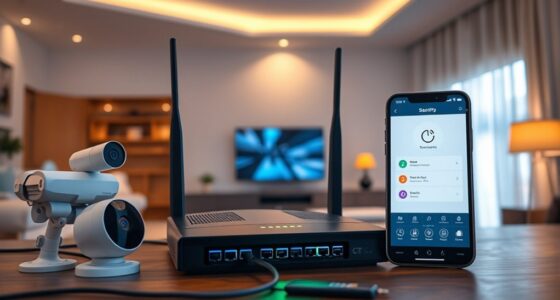
If you want high-resolution footage and quick playback without relying on internet speed, local storage like SD cards or hard drives might be best for you, but keep in mind they can be vulnerable if stolen. Cloud storage offers the convenience of remote access and easy upgrades, yet depends on a stable internet connection. Combining both options can give you more security and flexibility. For a deeper comparison, explore the details that follow to find what fits your needs best.
Key Takeaways
- Local storage supports high-resolution videos and quick playback without internet dependency.
- Cloud storage offers remote access and easier management but relies on stable internet connection.
- Local storage can be more secure if encrypted but is vulnerable to physical theft.
- Cloud storage involves ongoing subscription costs, while local storage typically requires a one-time hardware purchase.
- Combining both storage options enhances security, accessibility, and data backup.

When choosing a doorbell camera, understanding the differences between local storage and cloud storage is crucial, as it impacts how you access and protect your footage. Both options have their advantages and drawbacks, especially when it comes to video quality and data security. Local storage typically involves an SD card or a connected hard drive directly attached to your doorbell or a separate hub. This setup can deliver high-quality video, often supporting 4K resolution, guaranteeing you get clear, detailed footage of visitors or incidents. Since the footage stays on the local device, you’re not limited by internet speed or bandwidth, allowing for quick playback without buffering. However, local storage can be vulnerable if someone gains physical access to your device, unless you implement strong data encryption measures. Many local storage systems employ data encryption to secure your videos, making it difficult for intruders to access sensitive footage even if they steal the storage device. Additionally, the choice between local and cloud storage can influence your overall video quality, as different systems may support varying resolutions and compression methods. Considering the potential for physical theft, securing your local storage with encryption and physical safeguards is essential. Implementing regular backups can also help prevent data loss due to hardware failure or damage. Furthermore, understanding the limitations of local storage can help you make a more informed decision based on your specific security needs. It’s also important to evaluate the cost implications of each option, as cloud services often require ongoing subscription fees while local storage typically involves a one-time purchase.
On the other hand, cloud storage offers the convenience of remote access. With cloud services, your footage is uploaded to a secure server over the internet, meaning you can view recordings from anywhere using your smartphone or computer. Cloud storage providers often offer tiered plans, giving you options for more storage space or longer footage retention. Video quality can vary depending on the provider, but many use high-definition streams, ensuring you get sharp, detailed images. Privacy and security are major considerations here. Reputable providers encrypt your data both during transmission and while at rest, adding layers of protection against hacking or unauthorized access. This data encryption ensures your footage remains private, even if someone intercepts the data during upload or download. Nevertheless, relying on internet connectivity means your footage is vulnerable to outages or slow connections, which could hinder real-time access or uploads.
Ultimately, your choice depends on your priorities. If you want maximum control and high video quality, local storage with robust data encryption might be best. But if you prefer ease of access and worry less about physical theft, cloud storage offers convenience and strong security features. Keep in mind that some systems combine both options, giving you the flexibility to store critical footage locally and back up important clips to the cloud. Whichever path you choose, verify your system uses strong data encryption to safeguard your footage from potential breaches. By understanding these differences, you can select the right storage solution for your needs, balancing quality, security, and accessibility.

REOLINK 256GB microSDXC Memory Card, Up to 100MB/s, 4K UHD, U3, A2, V30, Class 10, FAT32, Micro SD Card Fully Compatible with Reolink Security Camera, Reolink PoE/WiFi/Battery Doorbell
Have your cameras record to micro SD cards with or without Internet connections. Never miss out anything.
As an affiliate, we earn on qualifying purchases.
As an affiliate, we earn on qualifying purchases.
Frequently Asked Questions
Can Local Storage Records Be Accessed Remotely?
Yes, you can access local storage records remotely if you set up remote access features like a network-attached storage (NAS) or connect your device to a secure network. However, it’s crucial to prioritize storage security by using strong passwords and encryption. Ensuring your network is protected helps prevent unauthorized access, making remote access safe and reliable for viewing your doorbell camera recordings from anywhere.
How Long Can Cloud Storage Retain Footage?
Cloud storage can retain footage for weeks, months, or even longer, depending on your subscription plan—it’s like having a never-ending safety net! Your footage is protected with data encryption, ensuring privacy, while storage scalability allows you to upgrade your plan as your needs grow. So, you can confidently keep your doorbell camera footage for as long as you want, knowing it’s secure and adaptable to your lifestyle.
Is Local Storage More Vulnerable to Theft?
Yes, local storage is more vulnerable to theft because it’s physically accessible, making physical security vital. If someone steals the device, they can potentially access your footage unless you’ve protected it with data encryption. Cloud storage, on the other hand, offers better security through remote access and encryption, reducing the risk of theft-related data loss. So, you need to guarantee proper physical security and encryption measures regardless of your storage choice.
Do Cloud Storage Services Require a Subscription?
Yes, cloud storage services typically require a subscription, but many offer flexible plans. You might worry about ongoing costs, but these subscriptions provide scalable storage, so you only pay for what you need. Subscription costs vary, often including features like extended video history or multiple cameras. This scalability makes cloud storage a convenient choice, especially if you want easy access and worry less about running out of space.
Which Storage Option Offers Better Video Quality?
Cloud storage generally offers better video quality because it uses advanced video compression, ensuring clearer footage without sacrificing detail. It also provides higher storage durability, protecting your recordings from physical damage or theft. Local storage might have limitations due to space and potential hardware failure, but it’s immune to internet issues. So, if you prioritize consistent, high-quality videos, cloud storage is the better option for your doorbell camera.
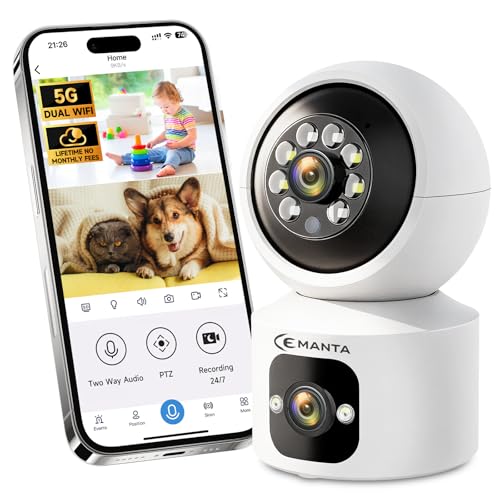
CEMANTA 4MP Security Camera Indoor, Free Cloud Storage, Dual-Len Baby & Pet Cam for Home Security, 2.4/5GHz WiFi, 360 PTZ, 2-Way Audio, Color Night Vision, AI Motion Detection, Compatible with Alexa
【Free Cloud Storage & Local SD Card】Enjoy free cloud storage with no subscription fees, access recordings anytime. (Note:…
As an affiliate, we earn on qualifying purchases.
As an affiliate, we earn on qualifying purchases.
Conclusion
Choosing between local and cloud storage depends on your priorities. While local storage offers control and avoids ongoing fees, it can be vulnerable to theft or damage. Cloud storage provides convenience and remote access, but at a recurring cost. If you’re concerned about security and data loss, a hybrid approach might serve you best—combining local backup with cloud access—ensuring you’re protected without sacrificing convenience or peace of mind.

Tapo 2K Wireless Smart Video Doorbell with Chime – 160° Ultra-Wide View,Person Detection, Ring Call, 2-Way Audio, Subscription-Free Local Storage/Optional Cloud, Motion Only Alert, D210
【2K Resolution】Details matter. Equipped with 2K resolution, see beyond traditional 1080p resolution with finer details and incredible clarity….
As an affiliate, we earn on qualifying purchases.
As an affiliate, we earn on qualifying purchases.

Western Digital 4TB WD Purple Surveillance Internal Hard Drive HDD – SATA 6 Gb/s, 128 MB Cache, 3.5" – WD44PURZ
Engineered for mainstream surveillance systems.
As an affiliate, we earn on qualifying purchases.
As an affiliate, we earn on qualifying purchases.