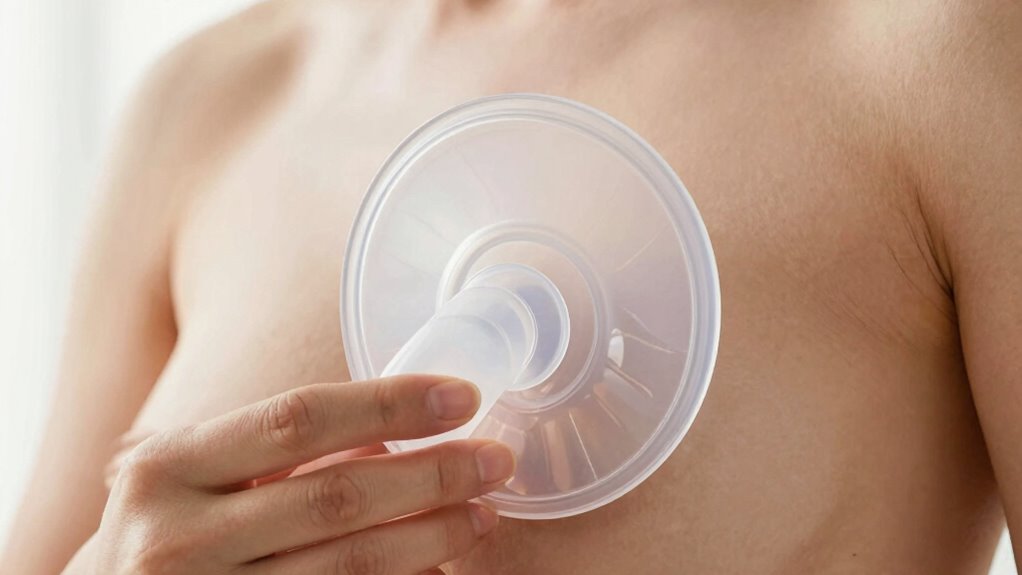

To find the right breast pump flange size, measure your nipple’s diameter at its fullest point when not engorged, using a ruler or tape measure. The correct fit should create a seal around your nipple and areola without causing discomfort, chafing, or compression. Too small or too large flanges can hinder milk flow or cause soreness. Keep experimenting with different sizes until you find a comfortable, effective fit—more helpful tips await you.
Key Takeaways
- Measure your nipple diameter at the fullest point when not engorged for accurate flange sizing.
- Use a ruler or measuring tape to determine the exact millimeter measurement of your nipple.
- Choose a flange size that creates a snug seal around the nipple and areola without compression.
- Proper flange fit ensures optimal milk flow, comfort, and reduces nipple soreness.
- Experiment with different sizes if needed to find the most comfortable and effective flange for pumping.
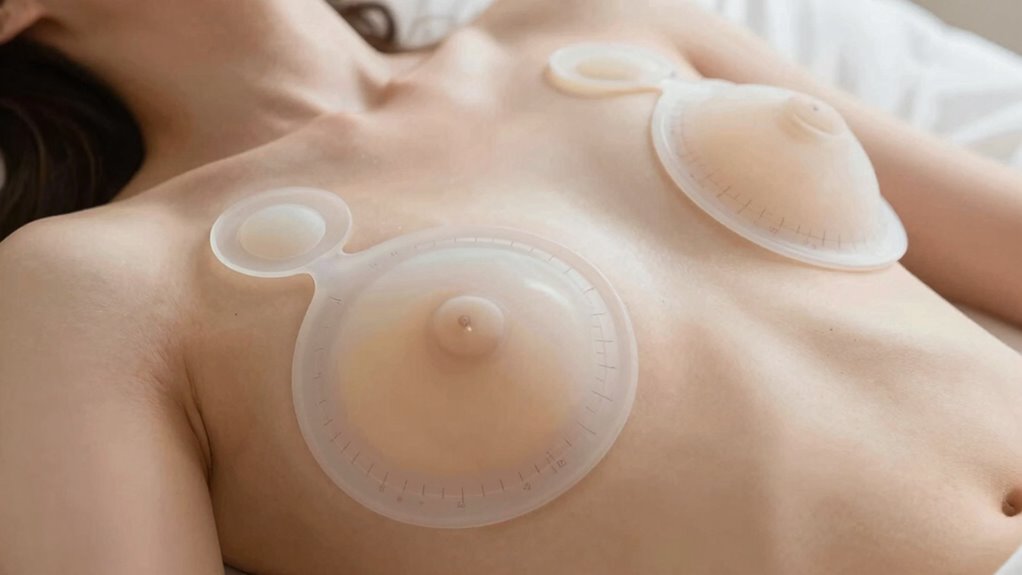
Have you ever wondered if your breast pump flange fits properly? It’s a common concern among breastfeeding moms, and the right fit can make a significant difference in your pumping experience. When your flange is the correct size, it helps optimize milk flow and guarantees flange comfort, both of which are vital for a successful and comfortable pumping session. An ill-fitting flange can cause discomfort, pain, or even nipple damage, while also reducing milk output. That’s why understanding the basics of flange sizing is so essential.
Your flange size directly impacts milk flow. When the flange fits well, it creates a proper seal around your nipple and areola, allowing the pump to work efficiently. If the flange is too small, it can compress your nipple excessively, leading to discomfort and potentially limiting milk flow. Conversely, if it’s too large, it may not form a proper seal, causing air leaks and decreasing suction strength, which hampers milk expression. Getting the right size helps maintain an effective vacuum, ensuring milk flows freely without causing unnecessary pain.
Flange comfort is equally vital. A poorly fitting flange can cause nipple soreness, chafing, or pinching during pumping. When your flange fits correctly, it minimizes these issues, making each session more comfortable and less stressful. Comfort encourages regular pumping, which is essential for maintaining milk supply, especially if you’re working to establish or increase it. The goal is to find a flange size that provides a snug, secure fit without compressing or irritating your nipple and surrounding tissue.
To determine your ideal flange size, you should measure your nipple diameter accurately. Most experts recommend measuring the nipple at its fullest point when your breasts are not engorged, using a ruler or measuring tape. This measurement guides you towards a flange size that fits comfortably, typically in millimeters, matching your nipple’s width. Many brands offer different flange sizes, so you can experiment with options to find the most comfortable and effective fit.
breast pump flange size kit
As an affiliate, we earn on qualifying purchases.
As an affiliate, we earn on qualifying purchases.
Frequently Asked Questions
How Often Should I Check My Flange Size?
You should check your flange size regularly, ideally every few weeks or if you notice discomfort. Proper flange size enhances breastfeeding comfort and pump efficiency, preventing nipple pain or reduced milk flow. Changes in your body, like weight fluctuations or nipple swelling, can affect sizing. Regularly reassessing ensures you maintain ideal pump performance and comfort, making breastfeeding easier and more effective for both you and your baby.
Can Flange Size Affect Milk Supply?
Yes, flange size can affect your milk flow and pump efficiency. If your flange is too small or too large, it may create a poor seal, making it harder to extract milk effectively. This can lead to decreased milk supply over time. Ensuring the right size helps optimize milk flow and pump efficiency, making your pumping sessions more comfortable and productive, ultimately supporting your milk production goals.
Are There Different Flange Sizes for Different Pump Brands?
Yes, different pump brands often have varying flange sizes to guarantee ideal pump compatibility and comfort. You’ll find that flange material, like silicone or soft plastic, also varies between brands, affecting fit and efficiency. It’s essential to choose the right size and material for your pump to maximize milk flow and comfort. Always check your pump’s specifications and compatibility details before purchasing or switching flange sizes to get the best results.
How Do I Know if My Flange Is Too Tight or Loose?
You’ll know if your flange is too tight or loose by paying attention to comfort, suction, and milk flow. A flange that’s too tight may cause pain, nipple pinching, or restricted flow, while a loose flange can lead to slipping, ineffective suction, and milk leakage. Check your flange material for smooth, non-irritating surfaces, and regularly clean your flange to maintain proper fit and hygiene. Adjust as needed for comfort and efficiency.
Can Improper Flange Sizing Cause Nipple Pain?
Yes, improper flange sizing can cause nipple pain. When your flange is too tight or too loose, it can lead to discomfort and hinder nipple comfort. This discomfort often results in pain during pumping and reduces pump efficiency. To avoid this, make sure your flange fits properly, providing a snug but comfortable seal. Proper sizing helps protect your nipple health and makes pumping more effective and comfortable.
adjustable breast pump flange
As an affiliate, we earn on qualifying purchases.
As an affiliate, we earn on qualifying purchases.
Conclusion
Choosing the right breast pump flange size is key to comfortable, effective pumping. When in doubt, remember that “a stitch in time saves nine”—taking the time to find your perfect fit now can prevent discomfort and issues later. Don’t settle for guesswork; prioritize your comfort and milk flow. With the right flange, pumping becomes easier and more enjoyable, helping you provide the best for your little one. Trust your instincts and get the fit that’s just right.
breast pump flange measuring tool
As an affiliate, we earn on qualifying purchases.
As an affiliate, we earn on qualifying purchases.
silicone breast pump flanges
As an affiliate, we earn on qualifying purchases.
As an affiliate, we earn on qualifying purchases.