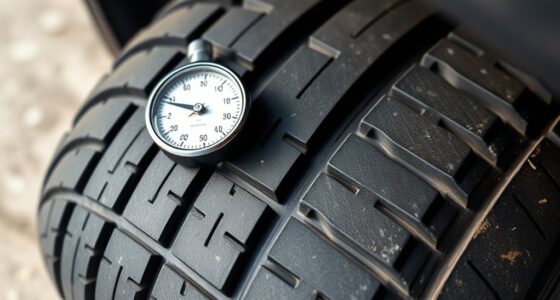
Tow strap ratings show how much weight the strap can handle safely, helping you avoid accidents during vehicle recovery. The key numbers are the breaking strength and the working load limit (WLL), which is usually a fraction of that strength. You should always choose a strap with a WLL higher than your vehicle’s weight for safety. Understanding these ratings and proper safety precautions guarantees your recovery effort is safe and effective—there’s more to learn if you’re curious.

Prime made for students and young adults
- Fast, free delivery for dorm and study essentials
- Prime Video and Amazon Music included
- Member-only deals
Key Takeaways
- Tow strap ratings show the maximum weight the strap can safely handle during recovery.
- The working load limit (WLL) is a safe, lower percentage of the strap’s breaking strength.
- Always choose a strap with a WLL higher than your vehicle’s weight for safety.
- Inspect straps for damage before use to prevent accidents or failure.
- Proper attachment points and controlled pulling are essential for safe recovery.
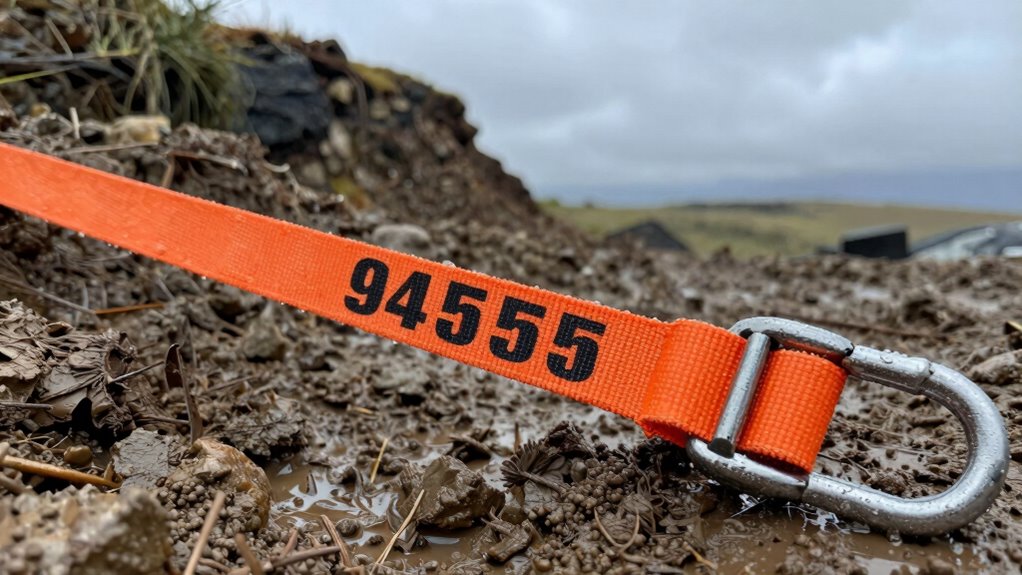
Have you ever wondered how to determine if a tow strap can handle your recovery needs? When it comes to vehicle recovery, understanding tow strap ratings is essential. A tow strap’s rating indicates its maximum weight capacity, which helps you choose the right strap for the job. Using a strap that’s too weak for your vehicle can lead to failure, accidents, or injuries. Conversely, overestimating the needed capacity can make the recovery unnecessarily expensive and bulky. That’s why knowing how to interpret tow strap ratings is important for safe and effective vehicle recovery.
Most tow straps come with a weight limit or breaking strength rating, typically expressed in tons or pounds. The breaking strength is the maximum load the strap can handle before it snaps. However, this number isn’t the one you should rely on for everyday use. Instead, you should look at the working load limit (WLL), which is usually a fraction of the breaking strength—commonly one-fifth or one-sixth. Manufacturers determine this rating by applying a safety factor to guarantee the strap can handle typical recovery loads without failure. Always select a tow strap with a WLL that exceeds the weight of the vehicle you’re recovering, ideally by a significant margin, to account for dynamic forces and sudden jerks during recovery. Properly understanding safety factors and how they influence the ratings can help prevent accidents and ensure reliable performance. Additionally, familiarizing yourself with natural materials used in tow straps can guide you in selecting durable options suited for different environments. Knowing the material strength of your tow strap can also influence its suitability for specific recovery situations.
Choose a tow strap with a working load limit exceeding your vehicle’s weight for safe recovery.
Safety considerations are paramount when choosing and using tow straps. Always inspect your strap for signs of wear, fraying, or damage before each use. If the strap shows any signs of deterioration, replace it immediately. When performing vehicle recovery, attach the strap to solid, rated recovery points—not bumpers or other weak areas—to prevent accidents. Keep bystanders at a safe distance and ensure everyone involved understands the plan. Using a strap rated too low for your vehicle’s weight can cause it to break under stress, leading to dangerous lash-back or flying debris. Proper tensioning and controlled pulling are also critical to avoid sudden snaps or loss of control. Additionally, choosing a strap with appropriate material and suitable specifications ensures durability and safety during recovery.
Understanding tow strap ratings and safety considerations helps you make informed decisions, ensuring vehicle recovery is safe, efficient, and effective. It’s not just about getting your vehicle out; it’s about doing it without risking injury or damage. By choosing a strap with an appropriate rating and following safety protocols, you keep yourself, others, and your vehicle protected during every recovery operation.
heavy duty tow strap with high WLL
As an affiliate, we earn on qualifying purchases.
As an affiliate, we earn on qualifying purchases.
Frequently Asked Questions
How Do I Choose the Right Tow Strap for My Vehicle?
To choose the right tow strap, first consider your vehicle weight and pick a strap with a weight rating that exceeds it for safety. Opt for durable strap material like nylon or polyester, which provide strength and flexibility. Make sure the strap has reinforced loops and proper hooks. Always check the manufacturer’s guidelines, and avoid underestimating your vehicle’s weight to prevent accidents during towing.
Can Tow Straps Be Reused After Heavy Use?
Yes, you can reuse tow straps after heavy use, but you need to take into account strap durability and the impact of heavy use. Visualize a sturdy rope worn thin at the edges—that’s what heavy use can do to a tow strap. Inspect it carefully for fraying, cuts, or weakened fibers before reuse. If it shows signs of damage, it’s safer to replace it. Proper maintenance extends its life and keeps you safe.
What Safety Precautions Should I Follow When Using a Tow Strap?
When using a tow strap, you should wear safety gear like gloves and eye protection to avoid injuries. Always check the strap for damage before use, and verify proper attachment points. Follow emergency procedures by staying clear of the strap’s path and never standing between the vehicles. Communicate clearly with the other driver, and keep a safe distance during towing to prevent accidents or injuries.
How Does Weather Affect Tow Strap Performance?
Weather can substantially impact tow strap performance, especially since over 70% of vehicle recoveries happen in poor conditions. Rain and snow reduce friction, making straps more prone to slipping or snapping under stress. Extreme cold can weaken strap durability, increasing the risk of failure. Always check weather impact before pulling, and choose straps designed for specific conditions to guarantee safety and maintain their strength during use.
Are There Legal Restrictions on Using Tow Straps on Public Roads?
Yes, there are legal restrictions on using tow straps on public roads. You need to follow legal regulations to guarantee road safety, which often prohibit using unsecured or inappropriate towing methods. Using a proper tow vehicle and adhering to local laws helps prevent accidents and injuries. Always check your area’s specific rules before towing with a strap, and make sure your equipment is rated for safe, legal use.
As an affiliate, we earn on qualifying purchases.
Conclusion
So, now you’re armed with the mighty knowledge of tow strap ratings! You’re practically a superhero ready to tackle any towing challenge — no more guessing games, no more scary surprises. With these ratings, you’ll outsmart even the most stubborn stuck vehicle, lifting it like a forklift from the depths of despair. Get out there, strap up, and conquer the road like a towing legend — because with the right tow strap, you’re unstoppable!
As an affiliate, we earn on qualifying purchases.
As an affiliate, we earn on qualifying purchases.
Fall Picks
fall essentials
As an affiliate, we earn on qualifying purchases.