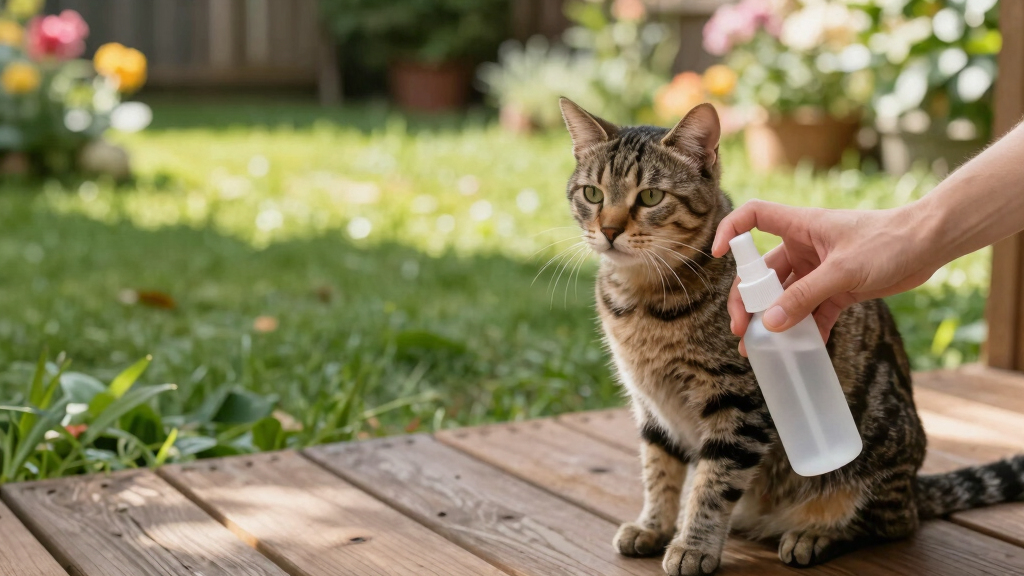

TL;DR
Research shows outdoor cats can carry dangerous pathogens that may infect humans and other pets. Proper precautions are essential to reduce health risks.
Outdoor cats can carry harmful germs that pose health risks to humans and other pets, according to recent research. This development underscores the importance of taking precautions if you own or interact with outdoor cats, as these pathogens can potentially cause illness.
Studies conducted by wildlife health experts indicate that cats roaming outdoors are exposed to a variety of dangerous germs, including bacteria, viruses, and parasites. These pathogens can be transmitted to humans, especially those with weakened immune systems, and to other pets.
Scientists involved in the research emphasize that outdoor cats often come into contact with contaminated soil, water, and wildlife, increasing their likelihood of harboring infectious agents. While many cats appear healthy, they can still carry and shed these germs without showing symptoms.
Preventive measures include keeping cats indoors, regular veterinary check-ups, and maintaining good hygiene practices when handling outdoor cats or cleaning litter boxes. Experts stress that awareness and proper precautions can significantly reduce infection risks.
This matters because outdoor cats can act as vectors for pathogens that may infect humans and other animals, potentially leading to outbreaks of zoonotic diseases. Understanding these risks helps pet owners and the public make informed decisions about outdoor access for cats and hygiene practices.
The findings highlight the importance of responsible pet ownership, including controlling outdoor access, to prevent the spread of infectious diseases. It also raises awareness about the potential health consequences of interactions with stray or feral cats, especially in communities with high wildlife or stray populations.

vivometra Home Check 4-in-1 Feline Home Wellness Kit – Easy Cat Health Monitor 2 (Pack)
Perfect for Home Use, No Fuss to OperateCovers 4 key aspects of cat health monitoring, with zero operational…
As an affiliate, we earn on qualifying purchases.
As an affiliate, we earn on qualifying purchases.
Background on Pathogens in Outdoor Cats
Previous research has documented that outdoor cats are exposed to a range of infectious agents present in their environment, including bacteria like Salmonella and E. coli, viruses such as feline immunodeficiency virus, and parasites like Toxoplasma gondii. These pathogens can be transmitted to humans through bites, scratches, or contact with contaminated feces.
Wildlife and stray cats often serve as reservoirs for these germs, and their interactions with domestic cats increase the risk of disease transmission. The recent studies by wildlife health experts reinforce the ongoing concern about zoonotic disease spread from outdoor cats to humans and pets.
“Outdoor cats are frequently exposed to contaminated environments, which increases their likelihood of carrying harmful germs.”
— an anonymous researcher

VCZONE 8 Pcs Cat Brush Grooming Kits, Pet Self Cleaning Kit with Pet Nail Clipper and File, Flea Comb, Pet Shampoo Bath Brush, Pet Shedding Brush, Silicone Toothbrush (Pink)
【8 Pieces Cat Brush Kits】 The set contains pet nail clipper and file, flea comb*2, pet shampoo bath…
As an affiliate, we earn on qualifying purchases.
As an affiliate, we earn on qualifying purchases.
Uncertainties About Infection Rates and Transmission
It is not yet clear how frequently outdoor cats carry these pathogens or how often they transmit infections to humans and other animals. The extent of health risks in different environments and geographic regions remains under study, and further research is needed to quantify these risks accurately.

REScue One-Step Ready-to-Use Disinfectant Cleaner & Deodorizer – For Veterinary Use, Animal Shelters, Pet Foster Homes, Kennels, Litter Box – 32 Ounce RTU (Spray Nozzle NOT Included)
Used by Vets, Loved by Pets – Kill pathogens in as little as 60 seconds with Rescue. Prevents…
As an affiliate, we earn on qualifying purchases.
As an affiliate, we earn on qualifying purchases.
Next Steps in Research and Public Guidance
Researchers plan to conduct more detailed studies to measure infection prevalence among outdoor cats and assess actual transmission rates to humans. Public health authorities may update guidelines on outdoor pet management and hygiene practices as new data emerges.
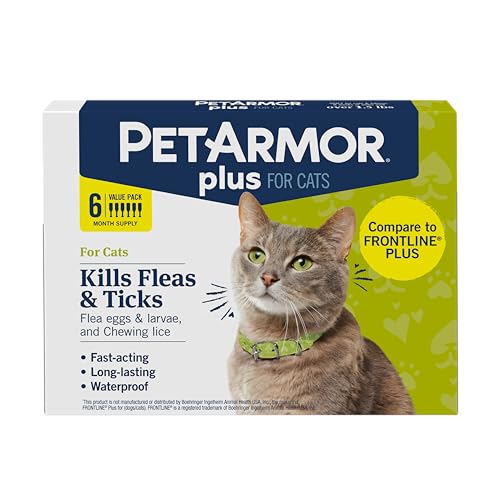
PetArmor Plus Flea and Tick Prevention for Cats over 1.5 lbs, Cat Flea and Tick Treatment, 6 Doses, Waterproof Topical, Fast Acting
EFFECTIVE, WATERPROOF FLEA TREATMENT FOR CATS: PetArmor Plus is a waterproof, flea & tick topical prevention for cats…
As an affiliate, we earn on qualifying purchases.
As an affiliate, we earn on qualifying purchases.
Key Questions
What are the main germs outdoor cats can carry?
Outdoor cats can carry bacteria like Salmonella and E. coli, viruses such as feline immunodeficiency virus, and parasites like Toxoplasma gondii, which can pose health risks to humans and pets.
How can I protect my family and pets from these germs?
Keeping cats indoors, maintaining regular veterinary check-ups, practicing good hygiene when handling cats or cleaning litter, and avoiding contact with stray or feral cats are effective measures.
Are all outdoor cats infected or dangerous?
Not all outdoor cats carry harmful germs, but the risk is higher due to environmental exposure. Regular health checks and hygiene practices can help mitigate this risk.
Should I stop letting my outdoor cat roam?
Pet owners should weigh the health risks and consider keeping cats indoors or limiting outdoor access, especially in areas with high wildlife activity or stray populations.
What signs should I look for if my cat might be infected?
Many infected cats show no symptoms, but signs of illness include lethargy, loss of appetite, or abnormal behavior. Regular veterinary visits are recommended for early detection.
Source: Live Science