
TL;DR

Prime made for students and young adults
- Fast, free delivery for dorm and study essentials
- Prime Video and Amazon Music included
- Member-only deals
India’s earthquake warning system offers real-time alerts based on seismic activity but cannot predict earthquakes beforehand. This helps in immediate response but has limitations in early prediction.
India’s earthquake warning system currently provides real-time alerts based on seismic activity, but it does not have the capability to predict earthquakes before they occur, according to official sources.
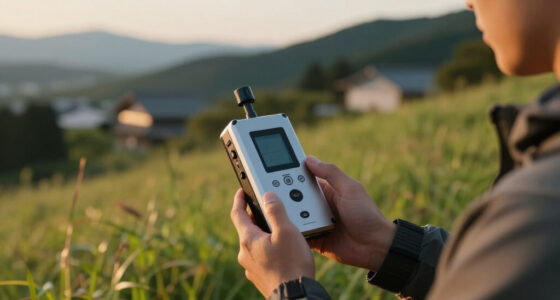
The Indian government has implemented a seismic monitoring network that detects and reports earthquakes as they happen, offering immediate alerts to authorities and the public in vulnerable regions. This system leverages a network of seismometers across the country, which continuously monitor ground movements and transmit data for analysis.
However, experts confirm that the system cannot predict earthquakes in advance. Seismic prediction remains a scientific challenge worldwide, and India’s system is designed primarily for early warning once seismic activity is detected, not for forecasting events days or hours before they happen.
Implications of India’s Earthquake Warning Capabilities
This distinction matters because it clarifies the role of India’s warning system: while it can help reduce casualties and damage by providing immediate alerts after an earthquake begins, it cannot prevent earthquakes or forecast them beforehand. Public understanding of these capabilities influences preparedness and response strategies.
Experts emphasize that the system’s real value lies in enabling quicker emergency responses, such as shutting down infrastructure or evacuating vulnerable populations, rather than in early prediction.
As an affiliate, we earn on qualifying purchases.
India’s Seismic Monitoring and Global Prediction Challenges
India is situated in a seismically active zone, notably near the Himalayan fault line, making earthquake preparedness a national priority. The country established its seismic monitoring network over recent decades, aiming to provide timely alerts for disaster mitigation.
Globally, earthquake prediction remains an unresolved scientific problem. While some regions, like Japan, have advanced early warning systems based on real-time detection, no system can reliably forecast earthquakes days in advance. India’s system aligns with these global limitations, focusing on immediate detection and alerting.
“Our system detects seismic activity as it occurs and provides alerts seconds to minutes before shaking reaches populated areas, but it cannot predict earthquakes beforehand.”
— Dr. Rajesh Kumar, Indian Seismologist
As an affiliate, we earn on qualifying purchases.
Uncertainties About Future Prediction Technologies
It remains unclear whether advancements in seismic research will enable reliable earthquake prediction in India or globally in the near future. Currently, no technology exists that can forecast earthquakes days or hours in advance with high accuracy.
As an affiliate, we earn on qualifying purchases.
Next Steps for India’s Earthquake Preparedness and Research
India is expected to continue upgrading its seismic monitoring network and improve public awareness about what warnings can and cannot do. Scientific research into earthquake prediction is ongoing worldwide, but significant breakthroughs are not imminent. Authorities will likely focus on enhancing immediate response capabilities and public education.
As an affiliate, we earn on qualifying purchases.
Key Questions
Can India predict earthquakes in advance?
No. India’s current system detects and provides alerts during seismic activity but cannot predict earthquakes before they start.
How does India’s seismic warning system work?
The system uses a network of seismometers to detect ground movements in real-time and sends alerts seconds to minutes before shaking reaches populated areas.
Why can’t the system predict earthquakes ahead of time?
Earthquake prediction involves complex scientific challenges; current technology cannot reliably forecast when or where an earthquake will occur days or hours in advance.
What is the main benefit of the warning system?
It provides immediate alerts during seismic events, allowing authorities and individuals to take quick protective actions, thereby reducing casualties and damage.
Are other countries better at earthquake prediction?
Countries like Japan have advanced early warning systems that detect earthquakes seconds before shaking starts, but none can predict earthquakes days in advance.
Source: google-trends
Halloween Picks
halloween
As an affiliate, we earn on qualifying purchases.