The 😞 emoji shows you’re feeling disappointed, sad, or regretful in your messages. It helps express emotions that words might miss, like frustration or sympathy. People use it to respond to bad news, mistakes, or missed plans, often showing empathy or remorse. Its meaning can vary across cultures but generally signals a gentle, heartfelt emotion. If you keep exploring, you’ll see how this emoji fits into wider social and digital communication.
Key Takeaways
- The 😞 emoji expresses disappointment, sadness, or regret in digital messages.
- It conveys subdued or heartfelt emotions that words alone may not fully capture.
- Commonly used in response to bad news, failed plans, or mistakes.
- Also signals empathy or sympathy across different cultural contexts.
- Represents a gentle way to show remorse, helplessness, or unspoken feelings.

Ever wondered what the 😞 emoji truly conveys in a text message? This little symbol packs a lot of meaning, and its interpretation can vary depending on context and cultural background. Over time, the emoji evolution has transformed simple smiley faces into complex expressions of emotion, and the 😞 emoji is a prime example of this. Originally, emojis were created to add nuance and clarity to digital conversations, helping you convey feelings that words alone sometimes can’t capture. The 😞 emoji, specifically, has developed from a basic sad face to a versatile icon that signals disappointment, regret, or sadness. Its cultural interpretations have expanded across different societies, making it a global symbol for a subdued, heartfelt emotion. Understanding how visual communication impacts the clarity of digital icons can deepen your appreciation of their visual effectiveness in conveying mood. As digital emojis continue to evolve, they reflect broader social norms and emotional expression**, highlighting how technology influences communication styles. When you see the 😞 emoji in a message, it often indicates that you’re being told about someone’s feelings of disappointment or frustration. Unlike a full-blown crying face, this emoji leans toward a more subdued, restrained sadness. It might be used to respond to bad news, a failed plan, or a mistake, subtly expressing that the sender isn’t just upset but genuinely affected by what’s happened. In some cultures, it’s employed to show empathy or sympathy, signaling that the person understands the other’s disappointment without overreacting. Other times, it might serve as a gentle way of saying, “I’m sorry things didn’t turn out as you hoped,” or “I wish things were different.” Its simplicity makes it adaptable, allowing you to communicate a spectrum of mild to moderate emotional states. The beauty of the emoji evolution is how it reflects changing social norms and emotional expression. As digital communication becomes more nuanced, emojis like 😞 have taken on new layers of meaning. In some contexts, it can even hint at unspoken feelings—like a quiet acknowledgment of a mistake or a feeling of helplessness. Its cultural interpretations vary: in Western societies, it often signifies genuine sadness or disappointment, while in other cultures, it might carry slightly different connotations, like modesty or regret. Despite these differences, it universally signals a soft, emotional response that words sometimes fail to fully express. When you use the 😞 emoji, you’re tapping into a shared visual language that bridges cultural gaps, making your message more personal and emotionally resonant. Additionally, understanding the emoji evolution helps in appreciating how digital symbols adapt to cultural and social shifts, making them a powerful tool for emotional communication worldwide**.
As an affiliate, we earn on qualifying purchases.
Frequently Asked Questions
Can the 😞 Emoji Indicate Sarcasm or Genuine Sadness?
The 😞 emoji generally indicates genuine sadness, but it can also convey sarcasm depending on contextual nuances and emotional intensity. You should consider the tone of the conversation and your relationship with the sender. If the message seems lighthearted or exaggerated, it might be sarcastic. Conversely, if it’s serious and sincere, the emoji likely reflects real feelings. Pay attention to surrounding words and emojis to interpret its true intent accurately.
How Do Cultural Differences Affect the Interpretation of 😞?
You might think the 😞 emoji always signifies sadness, but cultural differences shape its interpretation. In some cultures, it reflects genuine emotional expressions, while in others, it might signify disappointment or subtle frustration. Overcome the assumption that emojis have universal meanings by recognizing that cultural nuances influence how people interpret the 😞 emoji. Being aware of these differences helps you communicate more effectively and avoid misunderstandings in diverse interactions.
Is the 😞 Emoji Used Differently Across Various Age Groups?
You’ll find that the 😞 emoji is used differently across age groups, reflecting its evolution in digital expression. Older users might use it to genuinely show sadness or disappointment, while younger individuals could see it as a subtle way to express empathy or mild discontent. As emoji usage evolves, its meaning shifts with context and audience, making it a dynamic part of digital communication. Staying aware helps you interpret these variations accurately.
What Are Common Scenarios Where People Use 😞 in Messages?
You often use the 😞 emoji to express sadness, disappointment, or empathy in digital communication nuances. Common scenarios include reacting to bad news, expressing regret over missed plans, or showing sympathy when someone shares a tough experience. As emoji evolution continues, this symbol helps convey emotional depth quickly and clearly in messages, making your interactions more genuine and relatable, especially when words alone might fall short.
Can the 😞 Emoji Be Replaced With Words for Clarity?
Sure, you can replace the 😞 emoji with words for emotional clarity—it’s almost ironic, isn’t it? Instead of an ambiguous smirk, you might say, “I’m disappointed” or “I’m feeling down,” providing clearer understanding. Emoji alternatives often lack nuance, so selecting precise words guarantees your message’s tone isn’t lost. While emojis add flavor, words give your message the emotional clarity your audience truly needs.

Learning Resources Feelings & Emotions Puzzle Cards – SEL, Emotional Regulation Tools for Kids, Toddlers Calming Corners, Montessori Essentials, Matching Games, Flash Cards, Homeschool, Preschool
- Build Social-Emotional Skills: Helps kids understand and practice emotions
- Promote Critical Thinking: Unique puzzle shapes ensure correct matches
- Engage with Colorful Illustrations: Bright images keep children focused and excited
As an affiliate, we earn on qualifying purchases.
As an affiliate, we earn on qualifying purchases.
Conclusion
So, next time you see the 😞 emoji in a message, remember it’s more than just a sad face. It’s a quiet plea, a moment of vulnerability, or a gentle reminder that someone’s feeling down—like a tear in a well-worn leather journal, holding stories of sorrow. Recognize its subtle power, and let it guide you to offer comfort or understanding, because sometimes, a simple emoji can be the modern equivalent of a heartfelt letter.
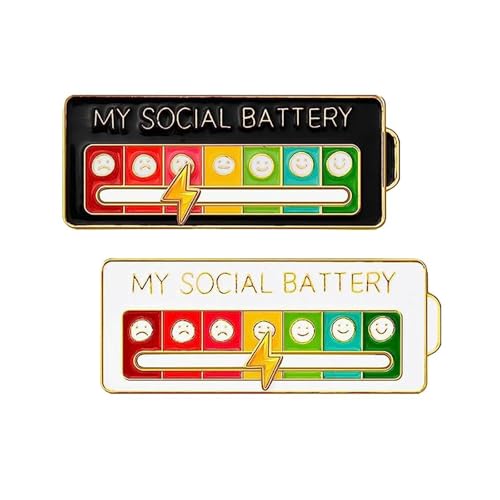
ZYMJBB My Social Battery Pins Set, 2 Sliding Mood Indicator Lapel Pins with 7-Day Emoji Display, Creative Emotional Brooch for Backpacks Jackets Hats Bags, Clothing,Fun Interactive Enamel Accessories
- Creative Mood-Tracking Sliding Pin: Displays weekly emojis to show mood
- Versatile Attachment for Various Items: Fits jackets, backpacks, hats, and more
- Interactive Emoji Slider Design: Switch emojis to share emotions easily
As an affiliate, we earn on qualifying purchases.
As an affiliate, we earn on qualifying purchases.
emoji sentiment analysis software
As an affiliate, we earn on qualifying purchases.
As an affiliate, we earn on qualifying purchases.