
The 🤬 emoji shows strong anger, frustration, or annoyance in your messages. It’s often used to emphasize feelings of irritation or to joke about being upset. You might see it when someone’s annoyed about something or just venting. Its meaning can change based on who you’re talking to and the situation—sometimes playful, sometimes serious. Want to understand more about how and when people use it? Keep exploring for deeper insights.
Key Takeaways
- The 🤬 emoji typically expresses anger, frustration, or strong irritation in digital communication.
- It can also convey playful annoyance or sarcasm, depending on tone and context.
- Usage varies culturally; it may be seen as humorous or offensive based on the relationship.
- Commonly used to emphasize emotional reactions quickly in texts or social media.
- To interpret its meaning, consider the sender’s relationship, message tone, and situational context.
Origins and Design of the 🤬 Emoji
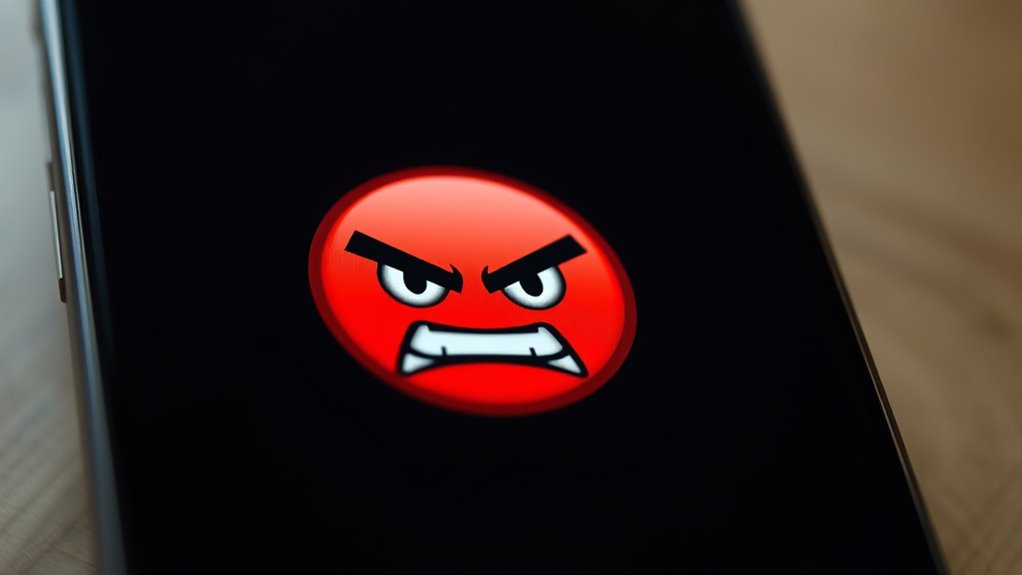
The 🤬 emoji, often called the “face with symbols over mouth,” was designed to visually represent anger, frustration, or swearing. Its design symbolism captures intense emotion, with furrowed brows, clenched teeth, and a red face to convey rage. This emoji’s evolution reflects changing digital communication, where simple images quickly replaced words to express feelings more vividly. Originally inspired by comic strip and cartoon expressions, the angry face has become a universal symbol for irritation. The bold colors and exaggerated features make it instantly recognizable, emphasizing strong emotions. As emoji design has advanced, this symbol has maintained its core meaning while becoming more stylized and expressive, allowing users to communicate anger or annoyance swiftly and effectively in texts and social media. Additionally, the increasing importance of digital literacy influences how such emojis are understood and used in online interactions.
Common Situations Where People Use the 🤬 Emoji

Have you ever noticed people using the 🤬 emoji whenever they’re angry, frustrated, or annoyed? The emoji history shows that this symbol is often used in digital communication to express strong emotions quickly. You’ll see it in text messages, social media comments, or chats when someone wants to show they’re upset or irritated. For example, if a friend is venting about a bad day or a frustrating situation, they might include the 🤬 emoji to emphasize their feelings. It’s a simple way to add intensity without writing a long explanation. People use it in moments of anger, annoyance, or dissatisfaction to communicate their mood clearly and instantly. This emoji has become a common tool for expressing emotional reactions in various online interactions. Proper filtration and pump protection are essential in ensuring that the devices used to generate these messages remain in good working order, preventing issues like clogs or damage.
Variations in Meaning Based on Context
Depending on the situation, the 🤬 emoji can convey a variety of meanings beyond simple anger or frustration. Its emoji evolution reflects how digital communication allows for nuanced expressions. For example, in some contexts, you might use 🤬 to show playful irritation or exaggerated annoyance rather than genuine rage. In casual conversations, it can also serve as a humorous way to react to frustrating but minor issues. The meaning shifts based on tone, relationship, and message content. This flexibility demonstrates how emojis adapt to different social cues, making them versatile tools in digital communication. Recognizing these variations helps you interpret messages accurately, understanding whether someone is truly upset, joking, or expressing mild annoyance. Additionally, understanding privacy policies related to online messaging can provide insight into how your data and expressions are managed in digital spaces.
Cultural and Social Considerations in Emoji Usage
Cultural and social contexts profoundly influence how people interpret and use the 🤬 emoji. As emoji evolution continues, different communities develop unique meanings and norms around digital communication. In some cultures, the 🤬 emoji may be seen as playful or humorous, while in others, it might be considered offensive or aggressive. Social considerations also shape its usage, depending on the relationship between users and the setting of the conversation. You need to recognize that emoji meanings aren’t universal and can shift based on cultural background and social cues. Understanding these factors helps you avoid misunderstandings and communicate more effectively in digital platforms. Recognizing the emojis’ evolving meanings is crucial for effective digital communication. Appreciating the cultural and social nuances behind emoji use enriches your interactions and deepens your connection with others.
Interpreting the 🤬 Emoji in Different Relationships
The way you interpret the 🤬 emoji often hinges on the nature of your relationship with the sender. In a casual context, it might signal playful frustration or a sarcastic tone, especially among friends who share inside jokes. With a romantic partner, it could suggest teasing or mock anger, often used to flirt or add humor. Consider these points:
- Close friends may use it humorously, not genuinely angry
- Romantic partners might employ it playfully, signaling flirtation
- Colleagues usually avoid it, as it can seem unprofessional
- Family members tend to use it lightly, with a humorous intent
- The tone depends heavily on previous interactions and shared understanding
- Understanding the interpretation of emojis can reveal much about digital communication nuances
Tips for Using the 🤬 Emoji Appropriately
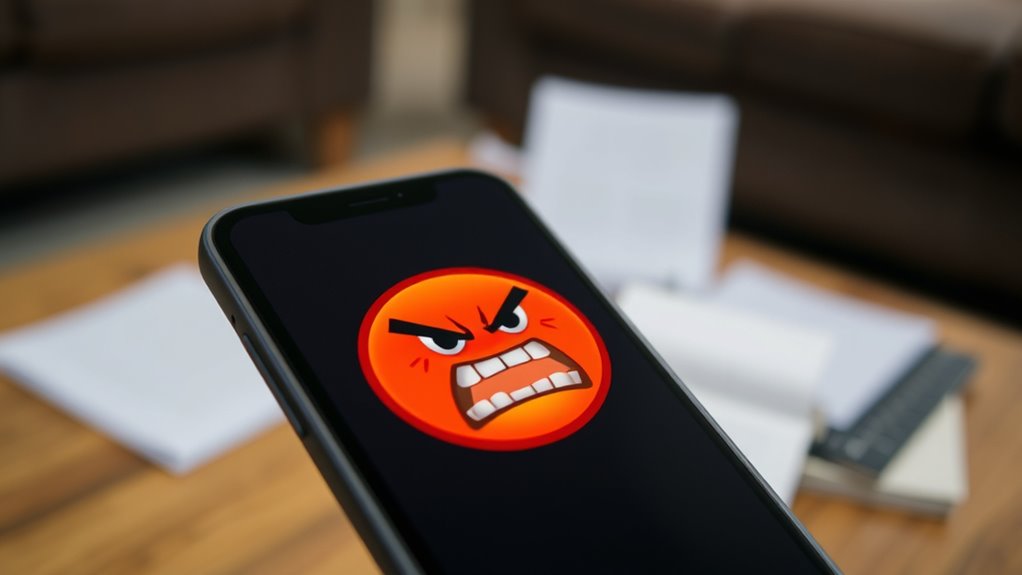
Using the 🤬 emoji wisely can help you avoid misunderstandings and guarantee your message is received as intended. In digital communication, emoji etiquette is key to expressing emotions without crossing boundaries. Before including the 🤬 emoji, consider your relationship with the recipient and the context of your message. Avoid using it in formal or professional conversations, as it can come across as inappropriate or aggressive. Instead, reserve it for casual chats with friends who understand your humor or tone. Keep your use intentional; don’t overuse or rely solely on emojis to convey strong feelings. By being mindful, you ascertain your message remains clear, respectful, and aligned with social norms, helping to foster positive and effective digital communication. Additionally, understanding your personality traits can influence how you interpret and use emojis appropriately.
Frequently Asked Questions
How Do Different Platforms Display the 🤬 Emoji?
You’ll notice the 🤬 emoji varies across platforms due to differences in emoji design, impacting how it appears to you. For example, Apple’s version shows a face with furrowed brows and a red, angry expression, while Google’s design looks more cartoonish. This variation highlights the importance of platform consistency, as each platform’s unique emoji design can influence how your message’s tone is perceived.
Can the 🤬 Emoji Be Used Humorously?
Yes, you can definitely use the 🤬 emoji humorously. In playful communication, it adds a joking tone when you’re exaggerating frustration or annoyance. For example, paired with a funny meme or lighthearted message, it helps convey your feelings without sounding serious. Just be mindful of your audience; in casual conversations, it can make your humor clearer and more relatable, making your messages more engaging and expressive.
What Are the Legal Implications of Using the 🤬 Emoji?
Using the 🤬 emoji can carry legal risks if it’s interpreted as harassment or offensive behavior, especially in professional settings. You might face consequences under workplace policies or even legal action if your use of the emoji is deemed inappropriate or creates a hostile environment. To avoid trouble, be cautious about how and where you use it, ensuring it aligns with your company’s rules and legal standards.
How Do Children Interpret the 🤬 Emoji?
You’ll find that children often interpret the 🤬 emoji as a sign of anger or frustration, based on their perception and emotional understanding. They might see it as an angry face or an expression of strong emotion, sometimes associating it with real-life feelings. Kids tend to pick up on visual cues quickly, so they might think it’s a way to show that someone is upset or annoyed, even if they don’t understand the nuance.
Does the 🤬 Emoji Have Any Official Unicode Designation?
The 🤬 emoji does have an official Unicode designation, which is U+1F92C. Its emoji symbolism in digital communication represents anger, frustration, or swearing. When you see this emoji, it often conveys strong emotions or irritation. Using this emoji in your messages helps you express intense feelings quickly and visually, making your digital communication more expressive and relatable, especially when emotions run high.
Conclusion
Understanding the 🤬 emoji is like decoding a colorful language of emotions—you’ll find it expressing everything from frustration to playful anger. Just remember, its meaning shifts like the wind depending on who you’re chatting with and the situation at hand. Use it wisely, like a spice in a recipe, to add flavor without overwhelming. When in doubt, choose your emojis thoughtfully, so your message stays clear and your connections stay strong.