

“Lowkey” in slang comes from African American Vernacular English and originally related to jazz and hip-hop cultures. It means you want to be subtle, modest, or discreet about feelings or opinions. People use it to show they’re quietly interested or excited without making a big deal. It’s common in social media, conversations, and pop culture. If you keep exploring, you’ll see how to spot and use “lowkey” naturally in different situations.
Key Takeaways
- “Lowkey” expresses subtlety, restraint, or a desire for privacy in feelings or opinions.
- It originates from African American Vernacular English (AAVE) and hip-hop culture.
- In slang, it means being discreet or not openly showing enthusiasm or emotion.
- Often used to indicate quiet excitement or modesty about something.
- Commonly used in social media and casual conversations to convey understated attitudes.
The Origin and Evolution of “Lowkey

The word “lowkey” originally comes from African American Vernacular English (AAVE) and has evolved markedly over time. Its history traces back to jazz and hip-hop cultures, where it conveyed subtlety and understatement. Over the years, “lowkey” gained cultural significance as a way to describe feelings or desires kept discreetly or privately. It became a term that reflected a laid-back, unpretentious attitude, resonating with youth and online communities. This evolution shows how language adapts within cultural contexts, embodying values like humility and authenticity. Today, “lowkey” isn’t just about understatement; it’s a symbol of a relaxed, genuine vibe, rooted in its cultural history and the importance of subtlety in expression. Additionally, its usage has expanded through digital platforms, facilitating its role in modern slang.
Common Uses and Contexts of “Lowkey

“Lowkey” is commonly used in everyday conversations and online interactions to express subtlety, restraint, or a desire to keep things private. You’ll often see it in slang expressions where people want to hint at feelings or opinions without making a big deal out of them. For example, you might say you’re “lowkey excited” about an event, meaning you’re quietly enthusiastic but not overly expressive. Understanding these cultural nuances helps you see how “lowkey” conveys a sense of modesty or discretion. It’s frequently used to tone down statements or share feelings indirectly, which reflects a broader tendency in slang to communicate complex emotions efficiently. Overall, “lowkey” acts as a versatile word for expressing subtlety across various social contexts.
Lowkey” in Social Media and Popular Culture

Have you noticed how “lowkey” has become a staple in social media posts and popular culture? Its slang pronunciation is often quick and casual, reflecting its relaxed vibe. You’ll see “lowkey” used to express subtle feelings or opinions, making conversations more authentic and relatable. Its cultural significance is clear—people use it to share personal thoughts without sounding overly dramatic or committed, which resonates with online audiences. Influencers, celebrities, and everyday users incorporate “lowkey” into captions, comments, and memes to convey authenticity and emotional nuance. This widespread usage highlights how slang like “lowkey” evolves with social media, shaping modern communication and reflecting a desire for more genuine, understated interactions in popular culture. Additionally, the term’s versatility allows it to be used in various contexts, from expressing preference to downplaying excitement, which aligns with the minimalist and intentional themes found in tiny house living.
Variations and Related Slang Terms
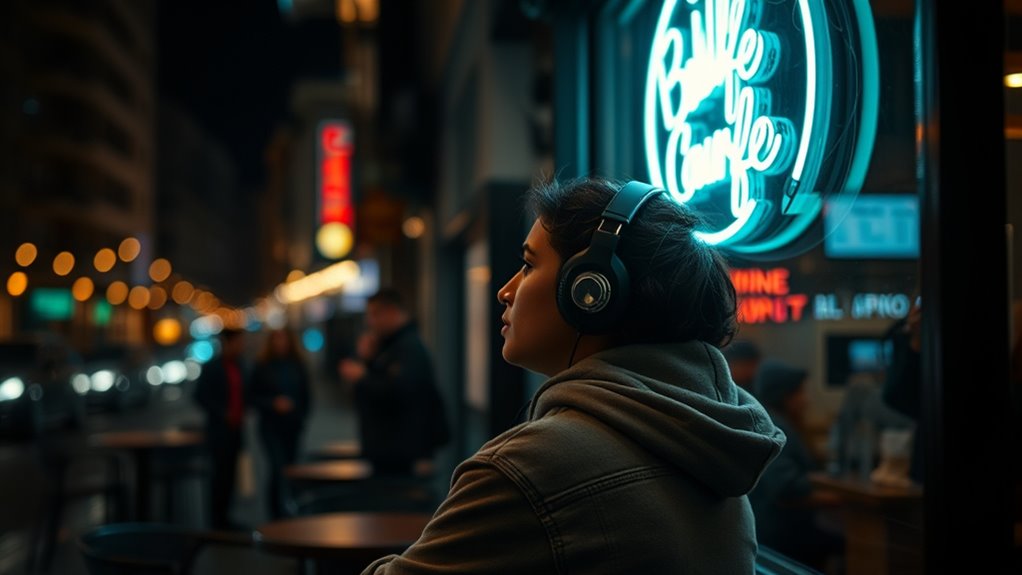
Variations and related slang terms often emerge alongside “lowkey,” enriching its expressive range. You might hear synonyms for “lowkey” like “subtle,” “quiet,” or “low-profile” when someone wants to express something without drawing attention. Slang variations of “lowkey” include “low-pro,” “lowkeyed,” or “low-kee,” which are casual twists used among different groups. These terms help convey a similar sense of discretion or understated interest, often in informal conversations or online chats. By using these variations, you can subtly communicate your feelings or intentions without making them obvious. It’s a flexible language, allowing you to adapt your tone depending on the situation, whether you want to be discreet or just casual. Additionally, understanding the effectiveness of eye patches can provide insight into subtle self-care practices for improving appearance in a low-key manner.
How to Recognize “Lowkey” in Conversations

Ever wonder how to spot “lowkey” in a conversation? Recognizing “lowkey” involves paying attention to context clues, tone, and emphasis. When someone’s telling you something “lowkey,” they usually speak softly or subtly, avoiding overt enthusiasm. Look for hints like a laid-back tone or understated language that signals they’re sharing something privately or casually. For example, they might say, “I lowkey like that song,” with a relaxed voice, indicating a mild interest. Also, notice if they downplay their feelings or avoid drawing attention. The emphasis on certain words or a gentle delivery helps reveal the “lowkey” vibe. Being aware of these cues makes it easier to understand when someone’s expressing themselves quietly but meaningfully.
Tips for Using “Lowkey” Appropriately

To use “lowkey” appropriately, it’s important to contemplate the context and your intent. Consider contextual examples where “lowkey” signals subtlety or restraint, like when you want to downplay excitement or maintain privacy. Pay attention to tone and nuance; using “lowkey” in a casual conversation can indicate a relaxed or modest attitude, while in more formal settings, it might feel out of place. Avoid overusing the term, as it can lose its impact or seem insincere. Think about whether your message aligns with the understated vibe that “lowkey” conveys. By matching your tone and choosing the right moments, you ensure your use of “lowkey” feels natural and appropriate, enhancing your communication without sounding forced or awkward. Additionally, understanding the meaning of angel numbers can help you recognize subtle messages in everyday life that relate to your intentions and feelings.
Frequently Asked Questions
Can “Lowkey” Be Used in Formal Writing or Professional Settings?
You shouldn’t use “lowkey” in formal context or professional appropriateness, as it’s slang and informal language. In professional settings, sticking to standard language guarantees clarity and respect. “Lowkey” can seem casual or even unprofessional, which might undermine your message or credibility. Save “lowkey” for casual conversations with friends or social media, and opt for more formal alternatives like “moderately” or “somewhat” when communicating professionally.
Is “Lowkey” Always Positive, or Can It Have Negative Connotations?
You might think “lowkey” always sounds chill, but it’s not a one-trick pony. Sure, it’s often used with a positive nuance to keep things understated, but it can also carry subtle negativity, like hinting someone’s hiding feelings or disapproving quietly. So, while it mostly vibes positive, don’t be surprised if “lowkey” sneaks in a side of subtle negativity—like a sarcastic wink in slang form.
How Does “Lowkey” Differ From “Highkey” in Slang Usage?
You’ll notice that “lowkey” and “highkey” differ in nuance and usage contexts. “Lowkey” means you subtly feel or want something without making it obvious, often used to downplay or keep things discreet. In contrast, “highkey” emphasizes something openly and strongly, showing you’re fully committed or excited. When choosing between them, consider whether you want to express something subtly or boldly, as their tones set different expectations.
Are There Regional Differences in How “Lowkey” Is Used or Understood?
You’ll notice regional slang and cultural variations influence how “lowkey” is understood. In some areas, people use it to mean something subtle or private, while elsewhere, it might emphasize a relaxed or understated vibe. Your interpretation can depend on local speech patterns and cultural context. So, when you hear “lowkey,” consider where you are and who’s using it, as meanings can shift across different regions.
Can “Lowkey” Be Used to Express Secret or Hidden Feelings?
You can definitely use “lowkey” to express secret feelings or hidden emotions. It’s like keeping things under wraps, so when you say you’re “lowkey into someone,” it hints at your true feelings without shouting it from the rooftops. Using “lowkey” allows you to share your emotions subtly, revealing just enough to let others know you’re holding back something special. It’s a way to keep your feelings on the down-low.
Conclusion
Now that you understand what “lowkey” means, you can confidently spot it in conversations and social media posts. It’s a versatile slang term that adds subtlety and authenticity to your expression—kind of like a secret handshake in the digital age. Use it thoughtfully, just like a vintage vinyl record, to connect more genuinely with others. Embrace “lowkey” and make your slang game as smooth as a classic jazz tune.