

‘No cap’ is a slang phrase meaning you’re being honest or serious about what you’re saying. It originated in African American Vernacular English and gained popularity through social media, music, and casual conversations. People use it to emphasize sincerity or authenticity, often among friends or online. If you want to understand how it’s used in different contexts and how it compares to similar expressions, there’s more to uncover about this popular term.
Key Takeaways
- “No cap” means “no lie” or “truthfully,” emphasizing honesty or sincerity in a statement.
- It originated from African American Vernacular English and gained popularity through social media and hip-hop culture.
- The phrase is used among friends and online to affirm that what’s being said is genuine or serious.
- It is often contrasted with slang like “lit” (excitement) or “facts” (truth), serving to reinforce honesty.
- “No cap” is casual slang, best suited for informal conversations and digital communication.
The Origin and Evolution of “No Cap
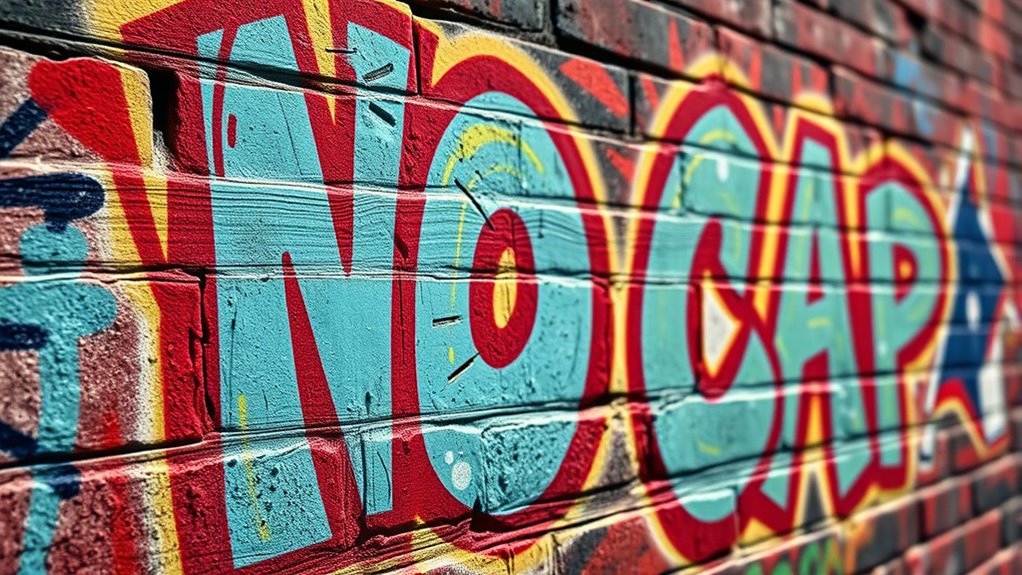
The phrase “no cap” has roots in African American Vernacular English (AAVE) and has evolved over time to become a popular slang term. Its origins can be traced to the slang evolution within the Black community, where it originally signified honesty or truthfulness. The linguistic origins of “no cap” suggest that it was used to emphasize sincerity, similar to saying “no lie.” Over recent years, it gained widespread popularity through social media and hip-hop culture, spreading beyond its initial community. As a result, “no cap” is now commonly used to affirm that someone is being genuine or truthful. Its transformation highlights how slang evolves, blending cultural expression and linguistic innovation to create new ways of communicating authenticity. Additionally, linguistic evolution reflects broader trends in language development driven by social and cultural change.
Understanding the Meaning Behind “No Cap

To understand what “no cap” really means, you need to recognize that it’s a way of emphasizing honesty or truthfulness in conversation. The slang interpretation of “no cap” is straightforward: it signifies that you’re being genuine or serious about what you’re saying. This phrase has gained cultural influence through social media, music, and everyday speech, spreading rapidly among younger generations. It’s often used to affirm that a statement isn’t exaggerated or false. Recognizing the meaning behind “no cap” helps you grasp its role in modern slang as a marker of sincerity. Its popularity reflects how language evolves with cultural shifts and digital communication, making “no cap” a powerful shorthand for honesty in casual conversations.
Common Contexts and Examples of Usage

Ever wondered when people say “no cap” in a sentence? You’ll find it in various slang phrases used among friends or online communities to emphasize honesty. For example, someone might say, “I just scored tickets to the game, no cap,” to show they’re serious. You might also hear, “That was the best concert I’ve ever been to, no cap,” which highlights genuine enthusiasm. Contextual examples include someone claiming, “I’ve never seen a better dunk, no cap,” or “I’m telling the truth, no cap.” These phrases are often used in casual conversations, social media posts, or text messages to reinforce sincerity and trustworthiness. Recognizing these common contexts helps you understand when “no cap” adds emphasis to a statement’s honesty.
No Cap” vs. Similar Slang Expressions

You might notice people using phrases like “lit” or “facts” alongside “no cap,” but they each carry different shades of meaning. While “no cap” emphasizes honesty, “lit” describes something exciting, and “facts” confirms truth. Understanding how these expressions compare helps you get the full picture of slang communication. Additionally, recognizing the home cinema context can clarify how slang terms are used in different social settings.
No Cap” vs. “Lit
While “No Cap” and “Lit” are both popular slang terms, they serve different purposes and carry distinct connotations. “No Cap” is used to emphasize honesty or authenticity, meaning you’re serious or truthful about something. In contrast, “Lit” describes something exciting, fun, or impressive, often used to express enthusiasm or enjoyment. In social media trends, you’ll see “No Cap” used to validate claims or statements, while “Lit” highlights events or moments that are lively or memorable. This slang comparison shows how these words capture different feelings—one about truthfulness, the other about excitement. Understanding these differences helps you better grasp conversations and posts where these terms frequently appear. Recognizing the slang evolution behind these terms can deepen your comprehension of contemporary language trends.
No Cap” vs. “Facts
When people want to confirm that something is true or trustworthy, they often use slang like “No Cap” or “Facts.” Although both expressions emphasize honesty, they have subtle differences in usage and tone. “No Cap” is more casual and popular among younger crowds, used to assert sincerity without exaggeration. “Facts” is slightly more straightforward and can sound more serious or assertive. In terms of slang comparisons, “No Cap” reflects cultural influences from hip-hop and social media, emphasizing authenticity in a relaxed way. You might choose “No Cap” when speaking casually with friends, while “Facts” can be used in both casual and formal contexts for emphasis. These expressions reveal how slang evolves and reflects different cultural influences.
- Slang comparisons reveal varying social contexts
- “No Cap” is more informal and playful
- “Facts” carries a more serious tone
- Both emphasize truthfulness in conversations
- Cultural influences shape these expressions
Why “No Cap” Has Gained Popularity

Have you noticed how “no cap” has become a go-to phrase among younger generations? Its rapid slang adoption can be traced to social media platforms like TikTok and Twitter, where short, catchy expressions spread quickly. The phrase’s popularity is driven by cultural influence, especially within hip-hop communities and online communities where authenticity matters. Using “no cap” signals honesty and sincerity, resonating with a generation that values realness. Its simplicity and versatility make it easy to incorporate into everyday conversations, boosting its widespread appeal. As it gains more exposure through memes, videos, and influencer content, “no cap” cements itself as a cultural staple, reflecting current trends in language and social expression. Additionally, understanding personality traits can help explain why certain phrases resonate more with specific groups, contributing to the phrase’s viral spread. That’s why it’s become so mainstream, so fast.
Tips for Using “No Cap” Appropriately

To use “no cap” appropriately, it’s important to understand the context and tone of your conversation. Using slang etiquette helps guarantee your message comes across clearly and respectfully. In casual conversations, “no cap” works best when emphasizing honesty or seriousness. Avoid overusing it or inserting it into formal settings, as it may seem out of place. Here are some tips:
Use “no cap” honestly in casual talks; avoid formal settings and overuse for best effect.
- Use “no cap” when genuinely being truthful
- Match the slang to your audience’s familiarity
- Don’t force it if the vibe isn’t casual
- Keep it natural; don’t overdo it
- Pay attention to tone—avoid sounding insincere
- Be aware of water quality and flow rate considerations to ensure your communication aligns with the appropriate context
Following these tips helps you navigate casual conversations smoothly and confidently, respecting slang etiquette while making your message clear.
Frequently Asked Questions
Is “No Cap” Used Differently Across Various Regions?
You’ll find that “no cap” is used consistently across regions to mean “truth” or “for real,” but regional slang and cultural differences can influence its popularity and tone. In some areas, people might use it more casually or sparingly, while others embrace it as a common phrase. Overall, despite regional variations, “no cap” maintains its core meaning, but how you hear it may differ based on local slang and cultural context.
Can “No Cap” Be Used in Formal or Professional Settings?
You shouldn’t use “no cap” in formal or professional settings; it’s like trying to wear sneakers to a black-tie event—completely out of place. It’s not considered formally appropriate and can undermine your credibility. In professional communication, stick to clear, respectful language. “No cap” is best kept for casual conversations with friends, not for serious emails, reports, or meetings where your words need to carry weight.
How Does “No Cap” Compare to Similar Phrases Like “For Real”?
You’ll find “no cap” and “for real” serve similar purposes in slang comparison, both emphasizing honesty or truthfulness. “No cap” is a newer phrase reflecting the phrase evolution in urban slang, while “for real” has been around longer. You use “no cap” to sound more current or trendy, whereas “for real” feels more casual and widely understood. Both phrases help you stress sincerity in conversations.
Are There Any Common Mistakes When Using “No Cap”?
You might stumble into slang misunderstandings or pronunciation errors when using “no cap,” especially if you’re not familiar with it. A common mistake is overusing it or applying it incorrectly, which can make you seem out of touch. Be careful with context—using it in formal conversations or serious situations can backfire. To avoid this, practice pronunciation and understand when and where it’s appropriate, so your message stays clear and authentic.
Has “No Cap” Appeared in Mainstream Media or Popular Culture?
You’ll notice “no cap” appearing in pop culture references and celebrity mentions, showing its growing mainstream popularity. Artists like Drake and Lil Baby use it in songs, making it common in music and social media. TV shows and movies also include the phrase, reflecting its shift from slang to a widely recognized term. This trend signifies how slang evolves and becomes embedded in everyday conversations and entertainment.
Conclusion
So, next time you hear someone say “no cap,” just remember it’s their way of keeping things genuine and real. When you use it, you’re giving a little wink, signaling honesty without overstating. It’s a cool way to keep your vibe authentic and relatable. Just sprinkle it in naturally, and you’ll be speaking the language of the streets with confidence—making your conversations feel fresh and effortlessly true.