

An “omega male” refers to someone who intentionally rejects traditional social hierarchies, choosing independence and authenticity over dominance or submission. Unlike alpha or beta males, omega males prefer solitude, stay true to themselves, and avoid seeking approval or leadership roles. They exemplify self-reliance and confidence on their terms. If you’re curious about how this mindset shapes social dynamics and personal growth today, there’s more to discover below.
Key Takeaways
- An omega male is a social role representing independence, self-reliance, and non-conformity outside traditional dominance hierarchies.
- It describes men who prefer solitude, avoid leadership, and prioritize personal authenticity over social validation.
- The term evolved from social hierarchy theories, contrasting with alpha and beta roles, emphasizing individualism.
- Media often mischaracterizes omega males as outsiders or loners, but they embrace self-awareness and resilience.
- It symbolizes a modern masculinity focused on personal growth, authenticity, and redefining societal expectations.

Self-Reliance & Other Essays
As an affiliate, we earn on qualifying purchases.
As an affiliate, we earn on qualifying purchases.
The Origins of the Term “Omega Male”

The term “Omega Male” has its roots in social hierarchy theories that categorize male personalities based on dominance and social roles. Its historical origins trace back to early studies of social structures, where alpha and beta roles were prominent. Over time, the concept evolved to include other positions within these hierarchies, leading to the emergence of the “Omega” label. Linguistically, the development of the term shifted from academic jargon to popular slang, especially in online communities. This shift helped it gain broader usage, often describing men who reject traditional social rankings or dominance. Understanding these origins reveals how the “Omega Male” concept was shaped by both social observations and linguistic evolution, reflecting changing attitudes toward masculinity and social roles over decades, including the influence of social hierarchy theories on masculine archetypes.

Retrospec Sedona Zafu Meditation Cushion with Buckwheat Hull Fill – Adjustable Yoga & Pilates Equipment Support – 17in Crescent Cotton Cover
NATURAL COMFORT & SUPPORT: Filled with sustainable buckwheat hulls, this meditation cushion elevates your practice by aligning your…
As an affiliate, we earn on qualifying purchases.
As an affiliate, we earn on qualifying purchases.
Typical Traits and Characteristics
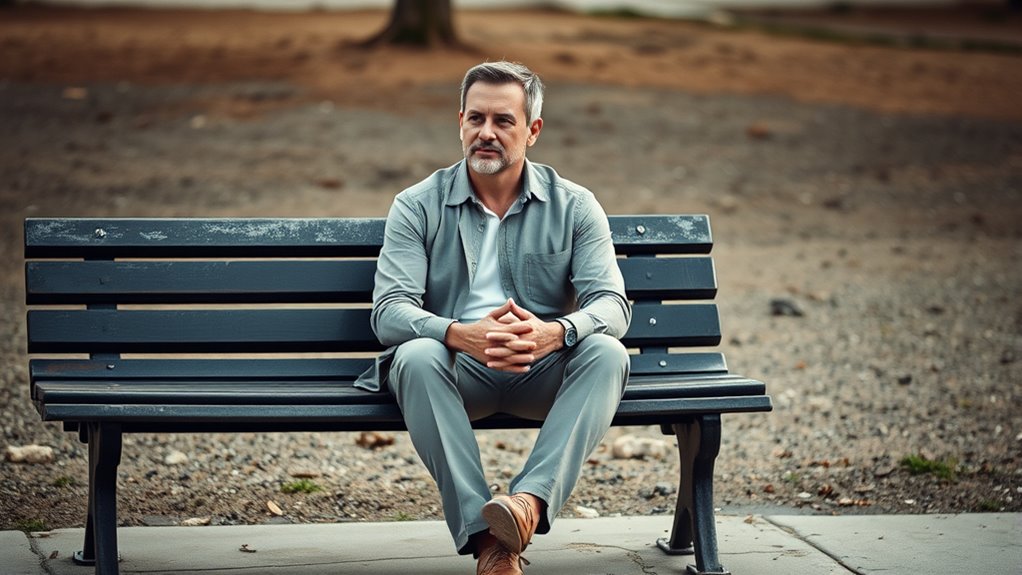
Omega males typically exhibit traits that set them apart from more dominant social types. You might notice their unique personality traits and social behaviors, which often include independence and introversion. They tend to avoid unnecessary conflicts and prefer to stay in the background rather than seek the spotlight. Their self-sufficient nature allows them to thrive on solitude and personal pursuits. Incorporating well-being tips can help such individuals maintain their mental and emotional health.
Some common traits include:
- Independence and self-reliance
- Preference for solitude over social dominance
- Calm, composed demeanor
- Minimal interest in leadership or competition
These characteristics shape how Omega males interact with others and navigate social environments. Their personality traits often make them seem reserved, yet they possess a quiet confidence that’s distinct from more assertive types.

Self-Mastery Journal for Men – Gratitude and Productivity Journal for More Happiness, Positivity, Growth, Mindfulness, Self Care and Reflection – Guided Inspirational Journals for Men & Women (Black)
MINDFUL REFLECTION: Embark on a journey of self-discovery with the Self-Mastery Journal for Men & Women, fostering personal…
As an affiliate, we earn on qualifying purchases.
As an affiliate, we earn on qualifying purchases.
How Omega Males Differ From Alpha and Beta Males
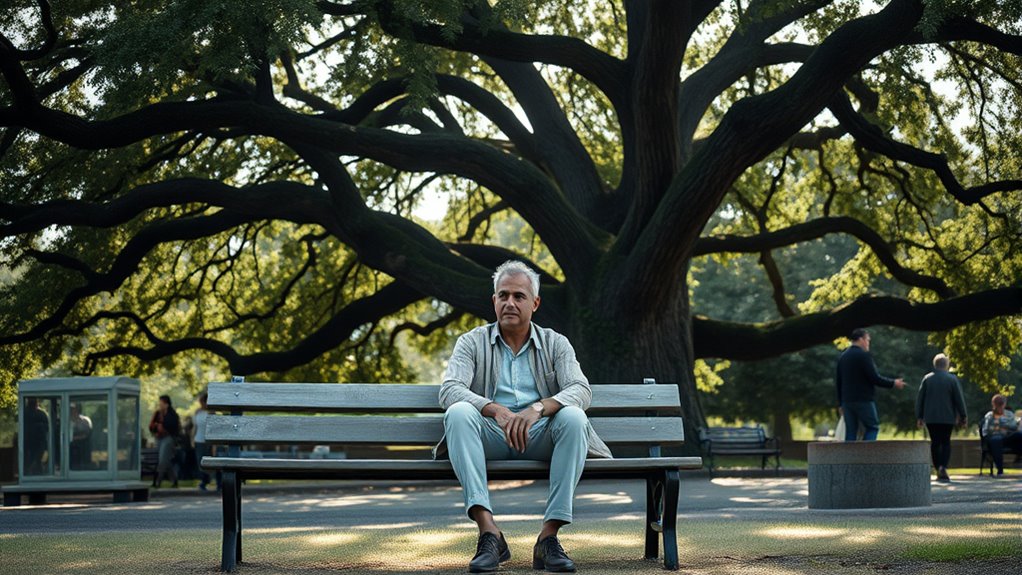
How do omega males stand apart from alpha and beta males? Their personality differences are significant—they tend to be independent, self-sufficient, and less interested in leadership or dominance. Unlike alpha males, who thrive on control and social status, omega males usually prefer solitude or small, close-knit circles. Beta males often seek approval and fit into social hierarchies, whereas omegas avoid these structures altogether. In terms of relationship dynamics, omega males tend to prioritize personal growth over status or validation. They don’t chase power or recognition like alphas, nor do they rely on others for validation like betas. This independence creates a unique, often misunderstood, social role where they value authenticity over dominance or submission. Additionally, omega males often exhibit a distinct social role, which sets them apart from other personality types.

Independent Watchmakers
As an affiliate, we earn on qualifying purchases.
As an affiliate, we earn on qualifying purchases.
The Social Hierarchy and Its Implications

Understanding the social hierarchy reveals how omega males navigate their environment differently from others. You notice that social dynamics shape interactions, often placing omega males outside traditional ranks. Their personality traits—such as independence, introversion, or non-conformity—affect how they engage with others. Unlike alpha or beta males, omega males tend to:
- Avoid leadership roles and status competitions
- Embrace solitude or unconventional paths
- Exhibit self-reliance and confidence in personal values
- Reshape social interactions without seeking dominance
- Their self-awareness allows them to maintain a strong sense of identity regardless of social labels.
Cultural Perceptions and Misconceptions

Cultural perceptions often shape how you view omega males, influenced by stereotypes and media portrayals. These ideas can lead to misunderstandings about their role and significance in society. As attitudes shift, it’s important to recognize how popular narratives and cultural reactions influence these perceptions. Understanding AI ethicist jobs can also shed light on how evolving societal values impact perceptions of different roles and identities.
Stereotypes and Media Portrayals
Media often paint omega males as loners or outsiders who deliberately distance themselves from social hierarchies, reinforcing stereotypes that they are antisocial or indifferent. These media stereotypes shape societal labels, making it seem like omega males are inherently detached or unambitious. However, this portrayal is misleading. Consider these misconceptions: – Omega males are portrayed as socially inept or disconnected. – They’re often depicted as passive or uninterested in leadership. – Media tends to associate them with introversion or aloofness. – Stereotypes suggest they’re inherently inferior to alpha or beta males. These portrayals simplify complex personalities into negative stereotypes, skewing public perception and ignoring individual differences. Recognizing media stereotypes helps you see beyond superficial labels and understand the diversity within omega males. Additionally, understanding the cookie categories and how they influence website content can help you better navigate online information about social stereotypes.
Popularity and Misunderstandings
Why do many people misunderstand omega males, associating them with negativity or insignificance? It’s often due to prevailing dating stereotypes and rigid masculinity norms that emphasize dominance and competitiveness. These societal expectations cause people to overlook omega males’ qualities, mistakenly viewing them as socially awkward or unambitious. Media portrayals tend to favor alpha or beta archetypes, further skewing perceptions. As a result, omega males are unfairly seen as outsider figures or lacking influence. This misunderstanding fuels misconceptions about their personality and value, making it harder for them to be recognized for their unique strengths. The popularity of these stereotypes feeds into a narrow view of masculinity, ignoring the diversity of male identities and the fact that strength can manifest in many different ways. Additionally, understanding natural social roles can help clarify the differences among these archetypes and promote a more nuanced view of male personalities.
Cultural Shifts and Reactions
As society evolves, so do perceptions of masculinity, leading to shifting reactions toward omega males. Historically, the cultural context shaped stereotypes, often painting omega males as outsiders or non-conformists. Today, these perceptions influence psychological impacts, affecting how individuals view themselves and others. Reactions vary widely: some see omega males as misunderstood or resilient, while others dismiss them as weak or irrelevant. Recognizing these cultural shifts helps you understand the complexity behind these labels. Key points to contemplate include:
- Changing societal values challenge traditional masculinity norms
- Misconceptions often stem from outdated stereotypes
- Psychological impacts can include confidence or alienation
- Cultural reactions reflect broader debates on gender roles and identity
The Modern Relevance of the Concept

Have you ever wondered why the idea of the Omega male continues to resonate today? It’s because, in a complex world, you seek a self-identity that challenges traditional societal roles. The Omega male symbolizes independence from societal expectations, offering an alternative to dominance or submission. This concept reflects a desire to define yourself on your own terms, emphasizing personal authenticity rather than fitting into predefined roles. As society evolves, many see the Omega male as a representation of resilience and self-awareness. It highlights the importance of understanding your place without conforming to stereotypes. Additionally, embracing a self-identity that defies conventional norms can foster greater personal growth and confidence. Ultimately, the modern relevance of the Omega male lies in its encouragement for you to embrace individuality and question outdated societal constructs.
What Being an Omega Male Means Today

What does it really mean to be an Omega male in today’s world? It’s about standing apart from traditional masculinity stereotypes and social hierarchy. Unlike Alpha males, Omegas often reject the dominance and competition expected in male roles. You might find yourself comfortable outside the typical social hierarchy, valuing independence over status. Being an Omega male means:
- Rejecting pressure to conform to traditional masculinity stereotypes
- Prioritizing personal growth over social dominance
- Charting social hierarchies on your own terms
- Embracing independence while avoiding the need for validation
- Recognizing that social dynamics are constantly evolving, allowing for diverse expressions of masculinity
Today, being an Omega male is about redefining strength, independence, and authenticity beyond outdated roles. You’re not bound by traditional expectations but forge your own path, free from the constraints of social hierarchy.
Frequently Asked Questions
How Do Omega Males Navigate Romantic Relationships?
You navigate romantic relationships as an omega male by trusting your emotional independence and staying true to your values. You prefer to move at your own pace, avoiding unnecessary social dynamics that pressure you. Instead, you seek authentic connections, valuing honesty and mutual respect. Your independence allows you to maintain a clear sense of self, making relationships more genuine and less reliant on social expectations, fostering meaningful bonds on your own terms.
Are Omega Males More Successful in Independent Careers?
You find that omega males often excel in independent careers, much like a lone wolf thriving in the wild. Their self-sufficiency and inner drive allow them to carve unique paths, often embracing leadership qualities without needing external validation. Studies suggest that such individuals tend to prioritize personal growth over social status, making them more successful in fields that reward autonomy and innovation. Your ability to stay self-reliant fuels your career success.
Can Omega Male Traits Change Over Time?
Yes, your personality traits can change over time, impacting your role in social dynamics. You might develop confidence, assertiveness, or independence, shifting how others perceive you. These changes often result from life experiences, self-reflection, or personal growth. By actively working on yourself, you can evolve beyond typical omega male traits, becoming more adaptable and influential in social settings. Remember, personal development is a continuous process, and change is always possible.
How Do Omega Males Handle Social Rejection?
When faced with social rejection, you often rely on your social resilience, quietly accepting the setback without losing composure. You don’t chase peer acceptance or seek validation; instead, you stay true to yourself, maintaining a calm, detached stance. Imagine a lone wolf steering through the shadows—resilient and unshaken—knowing that rejection doesn’t define your worth. Your quiet strength keeps you moving forward, unnoticed by many but still standing tall.
Is There Scientific Research Supporting the Omega Male Concept?
There isn’t solid scientific research supporting the omega male concept as a distinct personality type within social hierarchy studies. While some theories suggest omega males exhibit traits like independence and non-conformity, these ideas are mostly based on social observations rather than rigorous science. You might find these labels helpful for understanding personality traits, but they lack empirical backing and shouldn’t be used to define or limit a person’s role in social structures.
Conclusion
Understanding the omega male helps you see beyond surface labels and recognize the complexity of human behavior. While some might think you’re sailing against the tide, remember that forging your own path often leads to genuine fulfillment. Don’t judge a book by its cover, as every role in the social hierarchy has its own value. Embrace your true self, knowing that sometimes, the quiet waters run deep and hold the greatest treasures.