In slang, “simp” refers to someone, often a man, who shows excessive attention or affection, sometimes appearing desperate or submissive. Originally from online communities, it shifted from genuine devotion to a dismissive term used to criticize insincerity or weakness. It’s common in social media comments and memes, highlighting exaggerated behavior. Keep exploring to learn more about how this term affects social perceptions and relationship dynamics.

Prime made for students and young adults
- Fast, free delivery for dorm and study essentials
- Prime Video and Amazon Music included
- Member-only deals
Key Takeaways
- “Simp” refers to someone, often a man, who shows excessive attention, affection, or submissiveness, sometimes to their own detriment.
- Originally from online communities, it now describes behaviors perceived as desperate or overly eager for romantic approval.
- The term is commonly used to mock or criticize individuals perceived as putting others on a pedestal.
- It reflects changing views on gender dynamics, vulnerability, and online social interactions.
- “Simp” has become a slang term that influences conversations about relationship norms and social stereotypes.
The Origins and Evolution of “simp

The term “simp” has roots that trace back to online communities and slang from the early 2000s, initially used to describe someone who is overly submissive or enthusiastic to please someone else, often at their own expense. Its history evolution shows how the word shifted from describing genuine devotion to a more dismissive term in internet culture. Culturally, “simp” became a way to criticize individuals perceived as excessively eager to gain approval, especially from romantic interests. Over time, the term gained popularity through social media, morphing into a label that mocks or ridicules perceived weakness or desperation. This shift reflects broader societal attitudes toward masculinity, vulnerability, and social dynamics, capturing a complex mix of admiration, scorn, and humor. Additionally, the term’s linguistic evolution highlights how online slang can rapidly influence mainstream language and perceptions.
Defining “simp” in Modern Slang

In modern slang, “simp” has taken on a more specific and often mocking meaning that extends beyond its original context. Today, it describes someone, usually a man, who excessively shows attention or affection, often to the point of neglecting their own interests. This term reflects changing gender dynamics, where the focus is on perceived imbalances in romantic effort. As internet slang evolves, “simp” is used to criticize or joke about those seen as overly submissive or eager to please. To understand it better: trustworthiness of Patchology can influence how accurately and positively such terms are discussed online and in social contexts. It highlights shifts in gender roles and expectations. It emphasizes the exaggerated online behavior that’s often ridiculed. It’s a reflection of how slang evolves with internet culture, making “simp” a common term in digital conversations.
How “simp” Is Used in Online Culture
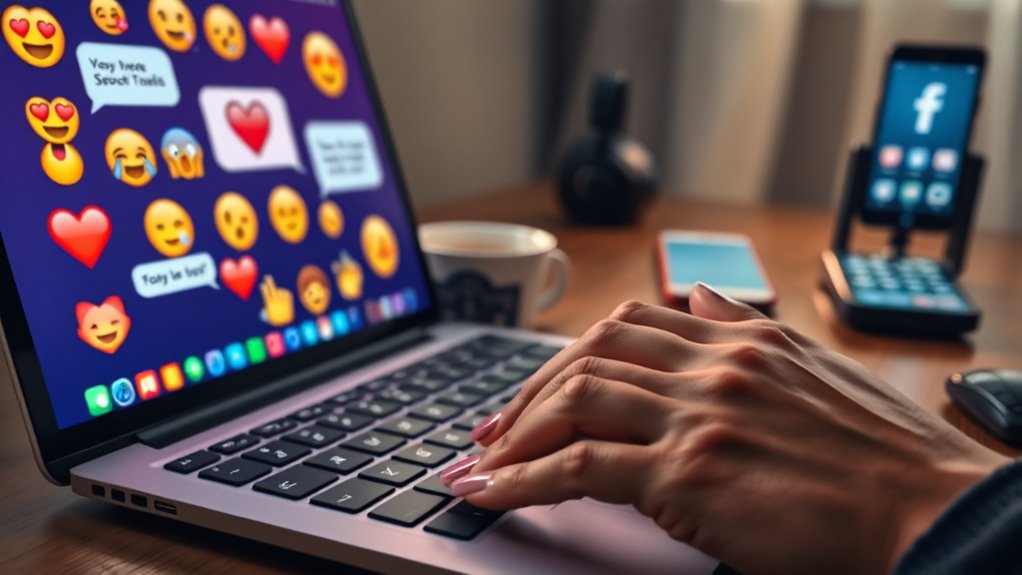
How has “simp” become a staple in online culture? You’ll notice it often appears in comments and memes related to dating behaviors, where people call out someone for over-the-top admiration or support. It’s used to criticize or mock those who seem to put others’ needs before their own, sometimes in a humorous way. In online etiquette, calling someone a “simp” can be a way to highlight perceived insincerity or desperation. The term spreads quickly on social media platforms like TikTok, Twitter, and Reddit, shaping conversations about relationship dynamics and social norms. This slang reinforces certain expectations about how people should or shouldn’t behave online, making “simp” a common shorthand for expressing judgment about excessive or unwanted romantic gestures. Additionally, understanding the power of language and its role in shaping social perceptions can help contextualize why terms like “simp” resonate so strongly in digital communities.
The Social Implications of Labeling Someone a “simp

Labeling someone a “simp” does more than just assign a playful nickname; it can profoundly impact how you see yourself and others. When you use this label, it often reinforces gender stereotypes and influences social judgment. People might start to view genuine kindness as weakness or desperation, which can lead to unfair assumptions. This social tagging can cause individuals to feel ashamed or misunderstood, discouraging authentic expression. Additionally, such labels can perpetuate harmful stereotypes, making it more difficult to foster understanding and empathy within social interactions.
The Difference Between Being Nice and Being a “simp”

Being kind and respectful to someone isn’t the same as being a “simp.” While kindness shows genuine care and consideration, being labeled a “simp” often means you’re going overboard or putting someone on a pedestal, which can reinforce harmful gender stereotypes. In online dating, this distinction matters because it affects how others perceive your intentions. Recognizing relationship dynamics can help distinguish healthy affection from excessive devotion.
Frequently Asked Questions
Is “simp” Always Used Negatively or Can It Be Positive?
You might see “simp” mostly used negatively, often reinforcing gender stereotypes and social dynamics that criticize men for showing affection. However, it can sometimes be used positively, praising genuine kindness and support. Context matters—if someone’s actions show respect and care, calling them a “simp” might be a joke or compliment. Still, most often, the term carries a negative connotation, reflecting societal views on masculinity and emotional expression.
How Has the Meaning of “simp” Changed Over Time?
Over decades, the evolution of “simp” has shifted from a term meaning someone overly submissive or enthusiastic to please to a slang reinterpretation that often carries negative connotations. You might notice people now use it to mock those who show excessive admiration or devotion. As language changes, “simp” reflects how slang adapts to cultural attitudes, turning what once might have been a neutral term into a shorthand for criticism.
Can “simp” Be Applied to Situations Outside Romantic Interests?
Yes, you can apply “simp” outside romantic interests, especially in situations involving platonic admiration or friendship gestures. When you go out of your way to support or help a friend, some might call you a simp if it seems excessive. Fundamentally, it’s about showing kindness or generosity that may be viewed as over-the-top, even in non-romantic contexts. Just remember, genuine acts of friendship shouldn’t carry negative labels.
Are There Cultural Differences in How “simp” Is Perceived?
Did you know that in some regions, over 60% of people see “simp” as a negative term? Cultural attitudes greatly influence how the slang is perceived. In Western countries, it’s often mocked, while in others, it might be seen as showing genuine care. Regional variations shape whether “simp” is used playfully or insultingly, so understanding local context helps you grasp its true meaning and social implications.
What Are the Common Misconceptions About “simp” in Slang?
You might think “simp” means just respecting someone, but many misconceptions exist. Some believe it stereotypes men as weak or overly emotional, which isn’t true. The term often gets misunderstood as disrespectful or negative, but it’s really about showing genuine care. Don’t let stereotypes about men influence how you see kindness—being respectful isn’t a bad thing; it’s a sign of integrity, not weakness.
Conclusion
Understanding what “simp” really means helps you see past the hype and recognize genuine kindness. It’s easy to mistake kindness for weakness, but knowing the difference keeps you from getting caught in the trap of unfair labels. Just like a river flows smoothly around rocks, your intentions should flow naturally without fear of judgment. By staying true to yourself, you can navigate relationships with clarity, not confusion, and avoid getting lost in the chaos of online slang.
Fall Picks
fall essentials
As an affiliate, we earn on qualifying purchases.