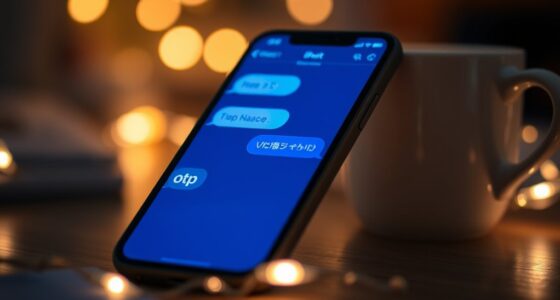

“Wyd later” is a casual way to ask someone what they are doing or if they’re available later. “Wyd” stands for “what are you doing,” a common slang abbreviation, and “later” refers to a future time. People use this phrase in informal chats to plan meetups or check on someone’s plans. If you want to understand more about similar phrases and slang origins, keep exploring how digital language evolves and shapes our conversations.
Key Takeaways
- “Wyd later” is a casual digital slang phrase asking about someone’s plans or availability in the future.
- “Wyd” stands for “what are you doing,” originating from online communication slang.
- “Later” indicates a future time, suggesting a plan to catch up or check in later.
- It is commonly used in informal text chats among friends for planning or casual conversation.
- Responses can range from confirming plans to politely declining, based on the context.
The Meaning Behind “Wyd Later

When someone says “wyd later,” they’re asking what you’re doing later or if you’re available to hang out. This phrase is part of the slang evolution driven by digital linguistics, which constantly shapes how we communicate online. “Wyd” is a shorthand for “what are you doing,” making conversations faster and more casual. Over time, such abbreviations have become common in texting and social media, reflecting the need for quick, efficient communication. The addition of “later” indicates a future time, suggesting plans or interest in catching up. Understanding the meaning behind “wyd later” helps you stay current with evolving slang, showing how digital linguistics influences everyday language. It’s a simple yet effective example of how slang adapts to fit our digital age. Recognizing these abbreviations can also enhance your communication skills, especially in informal contexts.
Common Contexts Where “Wyd Later” Is Used

You’ll often see “Wyd later” in casual text chats when friends are just catching up. It’s also common when planning meetups or events to confirm future plans. Sometimes, people use it to check on how someone is doing or to keep the conversation open for later.
Casual Text Conversations
Casual text conversations often feature shorthand and abbreviations that save time and keep the tone relaxed. You’ll see phrases like “wyd later” used among friends who prefer quick, informal exchanges. This slang origin stems from texting etiquette that promotes brevity and ease. When someone says “wyd later,” they’re usually planning to chat or hang out later, without the formality of full sentences. Imagine:
- Swapping quick updates during breaks
- Making spontaneous plans on the fly
- Sharing jokes or memes with a relaxed vibe
- Using contrast ratio to gauge how vivid or sharp the images appear in various displays
In everyday chats, these shorthand phrases help maintain a casual tone, reflecting familiarity and comfort. They’re an essential part of modern texting, keeping conversations light and efficient.
Planning Meetups or Events
Planning meetups or events often involves quick, informal messages like “wyd later” to coordinate details or confirm plans. In friendship dynamics, these short texts help keep communication casual and spontaneous, reflecting trust and familiarity. Social media trends have popularized this approach, making “wyd later” a common way to suggest hanging out or checking if someone is available. When you send this message, it signals your interest in meeting up without overcomplicating the conversation. It’s efficient for planning, especially when coordinating with multiple friends, as it keeps everyone in the loop with minimal effort. Overall, “wyd later” serves as a simple, effective tool to organize social gatherings while maintaining the relaxed tone that’s typical in modern digital communication. Additionally, understanding the city dynamics can help in choosing the best times and places to meet up.
Checking on Someone
When someone sends “wyd later” in a conversation, it can also be a quick way to check on their well-being or see how they’re doing. You might notice subtle social cues or tone interpretation that suggest they’re just making sure you’re okay or want to connect. This phrase often signals concern or interest, not just casual plans. In some cases, it might be used to gauge your mood or availability, especially if the person is familiar with creating a cozy and welcoming environment, similar to designing a farmhouse bedroom. Imagine receiving a message with a friendly tone, or perhaps a slightly hesitant one, prompting you to respond thoughtfully. It’s a simple way to gauge someone’s mood or current situation.
- A caring message that hints at wanting to chat more
- An attempt to see if you’re free or need support
- A way to maintain connection without overstepping boundaries
How to Respond to “Wyd Later

Wondering how to reply when someone says “Wyd Later”? Since slang origins are rooted in digital language, your response can be casual and straightforward. If you’re interested in continuing the chat, reply with something like “Sounds good,” or “Catch you later.” If you’re busy, a polite “Not right now, maybe later” works well. Keep your tone friendly to match the informal vibe of digital language. You can also mirror their tone by replying with “Wyd?” or “Later,” to keep things light. Remember, responses to “Wyd Later” are flexible and depend on your availability and mood. The key is to stay relaxed and genuine, ensuring your reply feels natural within the context of online communication. Additionally, understanding the meaning behind slang terms can help improve your overall well-being in digital interactions.
Variations and Similar Phrases in Digital Communication

You’ll notice many abbreviations and acronyms like “wyd,” “g2g,” and “brb” that keep conversations quick and casual. These phrases often vary depending on the context or platform, influencing how they’re interpreted. Understanding these differences helps you communicate more effectively in digital chats. Additionally, awareness of market trends can enhance your comprehension of consumer behaviors in digital communication.
Common Abbreviations and Acronyms
Have you ever encountered abbreviations like “wyd” or phrases like “wyd later” in texts and wondered what they mean? These are part of the ongoing linguistic evolution driven by digital slang trends, making communication faster and more casual. Common abbreviations and acronyms help you convey messages quickly, often replacing longer phrases. For example,
- “LOL” for laughing out loud,
- “BRB” for be right back,
- “IDK” for I don’t know.
These shortcuts create a shared digital language, reflecting how communication adapts to technology. Understanding these abbreviations helps you stay connected and interpret messages accurately. As digital slang trends evolve, so does the way you express yourself in texts, making it essential to recognize common abbreviations and acronyms in everyday conversations.
Being aware of digital communication trends can also improve your understanding of evolving language patterns and their impact on social interactions.
Contextual Variations in Usage
Because digital communication is constantly evolving, the same abbreviation or phrase can have different meanings depending on the context or the relationship between the sender and receiver. “Wyd later” and similar phrases often originate from slang that varies regionally. For example, in some areas, “wyd” might be used casually among friends, implying a relaxed plan, while in others, it could be more formal or even humorous. Regional differences influence how you interpret or respond to such messages, especially as slang origins change over time. The context—like the tone of the conversation or the relationship—also shapes understanding. Recognizing these variations helps you avoid misunderstandings and navigate digital chats more effectively, especially when phrases evolve or are used differently across communities. Additionally, understanding arcade game mechanics can sometimes be useful in deciphering gaming slang or references in online chats.
Tips for Deciphering Abbreviations in Texts

Deciphering abbreviations in texts can seem tricky at first, but with a few simple tips, you’ll become more confident in understanding them quickly. To start, familiarize yourself with common slang origins and how informal language evolves. Recognizing patterns helps you decode messages faster. Keep these tips in mind:
- Think about the context: Is it casual or serious?
- Look for familiar abbreviations or acronyms you’ve seen before.
- Pay attention to how abbreviations relate to the conversation’s tone or topic.
- Understanding diverse linguistic variations of terms like “wyd later” can deepen your comprehension of informal communication.
Understanding slang origins and the informal language behind these shortcuts makes it easier to interpret messages. As you practice, you’ll notice that many abbreviations follow predictable patterns, making deciphering them second nature. This approach saves time and helps you stay connected in digital conversations.
The Evolution of Slang and Abbreviations in Messaging

The way slang and abbreviations have evolved in messaging reflects how language adapts to the fast-paced nature of digital communication. Over time, the history of texting slang shows a shift from simple abbreviations to complex acronyms and emojis. Digital language trends continue to evolve, making conversations quicker and more expressive. Here’s a quick look at some common terms:
| Term | Meaning | Origin |
|---|---|---|
| Wyd | What are you doing? | Common in texting |
| LOL | Laugh out loud | Early internet slang |
| BRB | Be right back | Instant messaging |
This evolution makes communication more efficient and fun, shaping how you connect daily. Additionally, some phrases incorporate beneficial ingredients like hyaluronic acid, highlighting their role in enhancing skin hydration and appearance.
Frequently Asked Questions
Is “Wyd Later” Considered Informal or Rude?
“Wyd later” is considered informal slang, not rude, in most social contexts. You typically use it among friends or peers to casually ask what someone is doing later. Its slang interpretation makes it friendly and relaxed, but avoid using it in formal settings. Overall, it’s a common way to initiate casual plans or check in, so don’t worry—it’s more playful than offensive.
Can “Wyd Later” Imply a Future Meeting?
Yes, when you see “wyd later,” you’re likely making a casual timing assumption about a future meeting or hangout. It suggests you’re asking if the person is available later, often for informal plans. Keep in mind, in casual communication, “later” can be flexible, so it’s good to clarify exact timing if needed. Overall, it’s a friendly way to check someone’s availability without sounding too formal.
Does “Wyd Later” Indicate Genuine Interest or Just Casual?
When someone says “wyd later,” the tone interpretation can vary, but it often signals casual interest rather than deep friendship signals. You should consider the context and your relationship to gauge if it’s genuine interest or just a laid-back message. Generally, it leans toward a relaxed, friendly tone, suggesting they’re open to chatting or hanging out later without necessarily implying serious intentions.
Are There Cultural Differences in Understanding “Wyd Later”?
You’ll find that “wyd later” can vary vastly across different cultural contexts and regional slang. In some areas, it signals casual curiosity, while elsewhere, it hints at deeper interest. Cultural differences influence how people interpret this phrase, shaping social signals and slang slang. So, don’t assume universal understanding—your interpretation depends on where you are and who you’re texting, making regional slang and cultural context key to decoding “wyd later.”
How Can I Politely Decline When Someone Asks “Wyd Later”?
When someone asks “wyd later,” you can politely decline by using clear social cues and friendly tone interpretation. Say something like, “Thanks for asking, but I have other plans,” or “I’m a bit busy later, maybe another time.” Keep your tone positive and respectful, showing appreciation for their invitation. This approach guarantees you decline politely while maintaining good social cues, avoiding any misinterpretation of your response.
Conclusion
So, next time someone asks if you’re free with “wyd later,” remember it’s just a fancy way of saying “wanna hang out?” or maybe not. Ironically, these shortcuts make conversations quicker but often leave you guessing. So, embrace the confusion — after all, deciphering digital slang is practically a modern treasure hunt. Just don’t be surprised if your “wyd later” turns into a mysterious game of texting hide and seek.