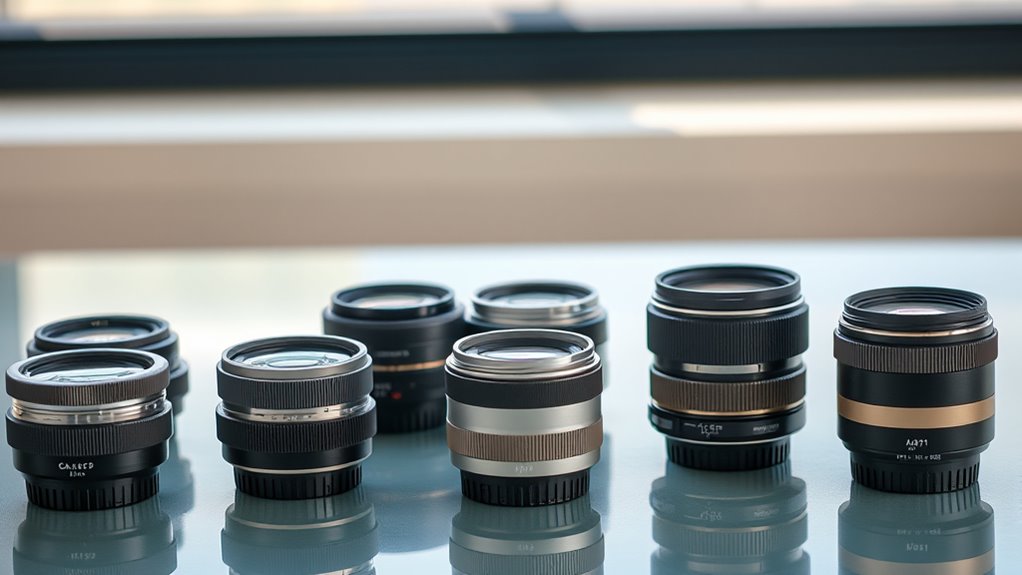

When searching for lightweight APS-C travel zoom lenses, the goal is to find a balance between portability and image quality. The Sony E PZ 16–50 mm F3.5–5.6 OSS II stands out as the best overall due to its compact design and versatile zoom range. The Tamron 18-300mm F/3.5-6.3 Di III-A VC VXD models for Canon and Fujifilm offer all-in-one zoom capabilities, ideal for travelers who want fewer lenses. However, these lenses often involve tradeoffs, such as limited aperture or slightly larger size compared to ultra-compact options. Keep reading for a detailed breakdown of each lens to help you find the best fit for your travel photography needs.

Prime made for students and young adults
- Fast, free delivery for dorm and study essentials
- Prime Video and Amazon Music included
- Member-only deals
Key Takeaways
- The top-ranked lenses provide a strong balance of size, weight, and zoom versatility suitable for travel.
- All-in-one zooms like the Tamron 18-300mm excel for convenience but often come with narrower apertures, affecting low-light performance.
- Compact designs are key for portability, but they may limit handling or ergonomics during extended shoots.
- Price varies widely, with some premium options offering better build quality and autofocus, but at a higher cost.
- Choosing the right lens depends on your specific travel needs—whether prioritizing size, zoom range, or image quality.
| Sony E PZ 16–50 mm F3.5–5.6 OSS II |  | Best Overall for Compact Travel Convenience | Focal Length: 16–50 mm | Maximum Aperture: F3.5–5.6 | Lens Mount: Sony E | VIEW ON AMAZON | See Our Full Breakdown |
| Tamron 18-300mm F/3.5-6.3 Di III-A VC VXD Zoom Lens for Canon R APS-C Mirrorless Cameras |  | Best Versatile All-in-One for Travel and Wildlif | Focal Length: 18-300mm | Maximum Aperture: f/3.5-6.3 | Lens Mount: Canon RF | VIEW ON AMAZON | See Our Full Breakdown |
| Tamron 18-300mm F/3.5-6.3 Di III-A VC VXD for Fujifilm X-Mount |  | Best for Versatile Fujifilm Travel Photography | Mount: Fujifilm X-Mount | Focal Length: 18-300mm | Aperture Range: F/3.5-6.3 | VIEW ON AMAZON | See Our Full Breakdown |
| Sony E PZ 16-50mm F3.5-5.6 OSS II Compact APS-C Standard Power Zoom Lens (Renewed) | | Best Budget-Friendly Lightweight Power Zoom | Focal Length: 16–50mm | Maximum Aperture: F3.5–5.6 | Lens Mount: Sony E | VIEW ON AMAZON | See Our Full Breakdown |
| Tamron 18-300mm F/3.5-6.3 Di III-A VC VXD All-in-One Zoom Lens for Nikon Z APS-C Mirrorless Cameras |  | Best for Nikon Z Travel Versatility | Focal Length: 18-300mm | Maximum Aperture: f/3.5-6.3 | Lens Mount: Nikon Z | VIEW ON AMAZON | See Our Full Breakdown |
| Tamron 18-300mm F/3.5-6.3 Di III-A VC VXD Lens for Sony E APS-C Mirrorless Cameras |  | Best All-in-One Travel Lens | Zoom Range: 18-300mm | Aperture: f/3.5-6.3 | Focus Mechanism: VXD linear motor | VIEW ON AMAZON | See Our Full Breakdown |
| Sigma 17-40mm F1.8 DC Art for Sony E, Black |  | Best for Low-Light and Portraits | Focal Length: 17-40mm | Maximum Aperture: F1.8 | Focus Type: Auto Focus | VIEW ON AMAZON | See Our Full Breakdown |
| Tamron 28-200mm F/2.8-5.6 Di III RXD All-in-One Lens for Sony E-Mount |  | Best for All-in-One Travel Versatility | Focal Length: 28-200mm | Maximum Aperture: F/2.8-5.6 | Mount: Sony E | VIEW ON AMAZON | See Our Full Breakdown |
| Tamron 17-70mm f/2.8 Di III-A VC RXD Lens for Sony E APS-C Mirrorless Cameras |  | Best Versatile Standard Zoom | Focal Length: 17-70mm | Maximum Aperture: f/2.8 | Focus Type: Auto Focus | VIEW ON AMAZON | See Our Full Breakdown |
| Sony 18-135mm F3.5-5.6 OSS APS-C E-Mount Zoom Lens (Renewed) |  | Best for Versatile Everyday Use | Focal Length: 18-135mm | Maximum Aperture: F3.5-5.6 | Image Stabilization: Yes | VIEW ON AMAZON | See Our Full Breakdown |
| 10-18mm F2.8 DC DN Lens for Sony E Mount |  | Best Overall Ultra-Wide for Sony APS-C | Focal Length: 10-18mm | Maximum Aperture: F2.8 | Lens Design: Prime | VIEW ON AMAZON | See Our Full Breakdown |
| Canon RF-S10-18mm F4.5-6.3 IS STM Ultra-Wide-Angle Zoom Lens for Canon EOS APS-C Mirrorless Cameras |  | Best for Versatile Vlogging and Travel with Canon | Focal Length: 10-18mm | Maximum Aperture: f/4.5-6.3 | Lens Mount: Canon RF-S | VIEW ON AMAZON | See Our Full Breakdown |
| lightweight apsc travel zoom lense | Focal Length | Maximum Aperture | Zoom Ratio | Weight |
|---|---|---|---|---|
| Sony E PZ 16–50 mm F3.5–5.6 OS | 16–50 mm | F3.5–5.6 | 3.1:1 | approx. 107 grams (3.8 oz.) |
| Tamron 18-300mm F/3.5-6.3 Di I | 18-300mm | f/3.5-6.3 | — | — |
| Tamron 18-300mm F/3.5-6.3 Di I | 18-300mm | — | 16.6x | — |
| Sony E PZ 16-50mm F3.5-5.6 OSS | 16–50mm | F3.5–5.6 | 3:1 | 107 g (3.8 oz.) |
| Tamron 18-300mm F/3.5-6.3 Di I | 18-300mm | f/3.5-6.3 | — | — |
| Tamron 18-300mm F/3.5-6.3 Di I | — | — | — | 21.9 ounces |
| Sigma 17-40mm F1.8 DC Art for | 17-40mm | F1.8 | — | 1.2 lbs |
| Tamron 28-200mm F/2.8-5.6 Di I | 28-200mm | F/2.8-5.6 | 7.14:1 | 20.3 oz |
| Tamron 17-70mm f/2.8 Di III-A | 17-70mm | f/2.8 | — | — |
| Sony 18-135mm F3.5-5.6 OSS APS | 18-135mm | F3.5-5.6 | — | 11.5 oz |
| 10-18mm F2.8 DC DN Lens for So | 10-18mm | F2.8 | 1.8x | — |
| Canon RF-S10-18mm F4.5-6.3 IS | 10-18mm | f/4.5-6.3 | 1.8:1 | — |
More Details on Our Top Picks
Sony E PZ 16–50 mm F3.5–5.6 OSS II
This lens stands out for its ultra-lightweight design, making it ideal for travelers who prioritize carrying less weight without sacrificing versatility. Compared with the Tamron 18-300mm options, it offers a smaller focal range but excels in portability and ease of use. The optical SteadyShot stabilization reduces shake during handheld shooting, and its refined autofocus ensures quick, reliable focus, especially useful for capturing fleeting moments. However, its limited maximum aperture may hinder low-light performance, and it isn’t water resistant, which could be a concern during outdoor adventures. Overall, this pick makes the most sense for those who want a compact, reliable lens for everyday travel and casual shooting, accepting some compromise in low-light ability.
Pros:- Incredibly compact and lightweight for easy portability
- Versatile focal length suitable for stills and videos
- Optical SteadyShot reduces blur during handheld shooting
Cons:- Limited maximum aperture affects performance in low light
- Not water resistant, limiting outdoor durability
Best for: Travelers who need a lightweight, all-in-one lens for everyday photography and videos on the go.
Not ideal for: Photographers who frequently shoot in low-light environments or require weather sealing for outdoor use.
- Focal Length:16–50 mm
- Maximum Aperture:F3.5–5.6
- Lens Mount:Sony E
- Zoom Ratio:3.1:1
- Image Stabilization:Optical
- Weight:approx. 107 grams (3.8 oz.)
Our verdict“Ideal for travelers seeking a lightweight, versatile lens that handles everyday shooting with ease.”
Tamron 18-300mm F/3.5-6.3 Di III-A VC VXD Zoom Lens for Canon R APS-C Mirrorless Cameras
This lens offers an extensive 18-300mm zoom range, making it a standout for travelers who want a single lens capable of wide-angle landscapes to telephoto wildlife shots. Compared with the Sony 16–50mm, it covers far more ground but is bulkier and has a narrower aperture range, limiting low-light performance. Its fast autofocus with VXD linear motor and vibration compensation help keep images sharp across the zoom spectrum, but at the cost of increased weight and expense. While it may be too bulky for some ultralight travelers, it excels in scenarios where versatility outweighs compactness. This makes it better suited for those who prefer fewer lenses on trips, despite some compromises in weight and low-light capability.
Pros:- Massive 18-300mm zoom range covers most scenarios
- Effective vibration compensation for sharp images
- Fast autofocus suitable for moving subjects
Cons:- Aperture range limits performance in low light
- Heavier and bulkier than standard kit lenses
Best for: Travelers, wildlife enthusiasts, or hobbyists wanting a single, all-in-one lens for varied shooting conditions.
Not ideal for: Minimalist travelers or those shooting primarily in low-light conditions who prefer smaller, faster lenses.
- Focal Length:18-300mm
- Maximum Aperture:f/3.5-6.3
- Lens Mount:Canon RF
- Maximum Focal Length:30 centimeters
- Vibration Compensation:Yes
- Focus Type:Auto Focus
Our verdict“A flexible choice for those who want a single lens that covers nearly all travel photography needs, accepting some size and low-light tradeoffs.”
Tamron 18-300mm F/3.5-6.3 Di III-A VC VXD for Fujifilm X-Mount
This Fujifilm-mount version maintains the same broad zoom range and autofocus speed as its Canon counterpart but tailored for Fujifilm X-mount cameras. Its 16.6x zoom makes it an excellent choice for travel, landscapes, and portraits, especially for those who want to carry just one lens. Its compact design and vibration compensation are comparable to the Sony 16–50mm, but its wider zoom range gives it an edge for varied shooting conditions. It’s slightly bulkier than standard kit lenses, but the fast autofocus and sharp stabilization compensate for this. This lens suits travelers who want a high-coverage zoom without adding significant weight, though its aperture range limits low-light performance at telephoto lengths.
Pros:- Extensive 16.6x zoom range for diverse shots
- Fast, quiet autofocus with VXD motor
- Compact and lightweight design
Cons:- Limited aperture at telephoto end affects low-light shots
- Bulkier than standard kit lenses
Best for: Fujifilm X-mount shooters seeking a lightweight, all-in-one zoom for travel and general photography.
Not ideal for: Photographers needing superior low-light performance or macro capabilities, as the aperture is limited and no macro function.
- Mount:Fujifilm X-Mount
- Focal Length:18-300mm
- Aperture Range:F/3.5-6.3
- Zoom Ratio:16.6x
- Vibration Compensation:Yes
- Maximum Magnification:1:2
Our verdict“Perfect for Fujifilm X users who want a single versatile lens for travel, accepting some aperture limitations.”
Sony E PZ 16-50mm F3.5-5.6 OSS II Compact APS-C Standard Power Zoom Lens (Renewed)
This refurbished Sony E PZ 16-50mm offers the same compact, lightweight form factor as its new counterpart, making it a great budget-friendly option for casual shooters. Its optical stabilization and quick autofocus enable smooth videos and sharp stills, comparable to the original version. Compared with the Tamron 18-300mm, it sacrifices zoom range for a smaller size and lighter weight, making it ideal for those who prioritize portability over zoom versatility. The main tradeoff is the limited maximum aperture, which hampers low-light shooting and depth control. Despite being a renewed product, it provides excellent value for those who want an easy-to-carry, general-purpose lens without the cost of a new one.
Pros:- Very lightweight and compact for easy travel
- Optical stabilization enhances handheld shots
- Quick autofocus performance
Cons:- Limited maximum aperture affects low-light capability
- Refurbished status may limit warranty support
Best for: Beginners or casual travelers needing a lightweight, affordable lens for everyday photography and video.
Not ideal for: Advanced shooters or those who need extensive zoom or better low-light performance, as the aperture is limited and warranty may be reduced.
- Focal Length:16–50mm
- Maximum Aperture:F3.5–5.6
- Lens Mount:Sony E
- Zoom Ratio:3:1
- Image Stabilization:Optical
- Weight:107 g (3.8 oz.)
Our verdict“A budget-friendly, lightweight zoom well-suited for casual photography and travel, with some compromises in low-light conditions.”
Tamron 18-300mm F/3.5-6.3 Di III-A VC VXD All-in-One Zoom Lens for Nikon Z APS-C Mirrorless Cameras
This Nikon Z-mount version of Tamron’s all-in-one zoom offers a broad 16.6x range, comparable to its Canon and Fujifilm siblings, making it ideal for travelers who want a single lens capable of landscapes, portraits, and wildlife. Its autofocus is responsive thanks to the VXD linear motor, and vibration compensation helps maintain sharpness across distances. Compared with the Sony 16–50mm, it provides a significantly wider zoom range, though it comes with added bulk and a slightly higher price. Its aperture range limits low-light capability, but for most travel scenarios, the flexibility outweighs the size and weight considerations. This lens suits Nikon Z photographers who want one versatile, lightweight zoom for diverse situations, despite some size increase.
Pros:- Extensive zoom range suitable for many genres
- Responsive autofocus with vibration compensation
- Compact design for a zoom of this size
Cons:- Limited low-light performance due to aperture limitations
- Potentially heavier than standard kit lenses
Best for: Nikon Z APS-C travelers seeking a comprehensive zoom lens for landscapes, portraits, and wildlife photography.
Not ideal for: Photographers focused on low-light or macro photography, as the aperture range limits brightness at telephoto lengths.
- Focal Length:18-300mm
- Maximum Aperture:f/3.5-6.3
- Lens Mount:Nikon Z
- Maximum Magnification:1:2
- Vibration Compensation:Yes
- Maximum Length:5.9 inches
Our verdict“A versatile all-in-one zoom perfect for Nikon Z travelers wanting broad coverage without multiple lenses, accepting some size and low-light tradeoffs.”
Tamron 18-300mm F/3.5-6.3 Di III-A VC VXD Lens for Sony E APS-C Mirrorless Cameras
This Tamron 18-300mm stands out for its incredible versatility, covering everything from wide landscapes to distant telephoto shots, making it ideal for travelers who want to carry just one lens. Compared with the Sigma 17-40mm F1.8, which excels in low-light and portrait work, the Tamron sacrifices some aperture speed for range, limiting low-light performance but offering unmatched zoom flexibility. Its VXD linear autofocus motor is both fast and quiet, enhancing usability during dynamic travel scenes. The lens’s compact, lightweight design makes it a natural choice for packing light. However, the variable aperture of f/3.5-6.3 at the telephoto end can struggle in dim conditions, requiring stabilization or higher ISO settings. The price might seem high for those seeking a budget zoom, but the range and features justify it for frequent travelers. This lens makes the most sense for those seeking one lens to cover diverse scenarios without sacrificing image quality or portability.Pros:- Versatile 16.6x zoom range from wide-angle to telephoto
- Fast, quiet autofocus with VXD linear motor
- Effective vibration compensation for sharp images
- Compact and lightweight design
Cons:- Aperture range limits low-light performance at telephoto end
- Maximum aperture of f/6.3 at telephoto may require stabilization
- Higher price for a specialized zoom lens
Best for: Travelers and outdoor enthusiasts who need a single, versatile zoom for varied shooting conditions
Not ideal for: Low-light photographers or portrait shooters who prefer faster apertures and shallow depth of field
- Zoom Range:18-300mm
- Aperture:f/3.5-6.3
- Focus Mechanism:VXD linear motor
- Filter Size:67mm
- Weight:21.9 ounces
- Weather Resistance:Moisture-Resistant Construction
Our verdict“This lens is perfect for travelers seeking a single, all-encompassing zoom with good image stabilization and portability.”
Sigma 17-40mm F1.8 DC Art for Sony E, Black
The Sigma 17-40mm F1.8 offers a bright, constant aperture that excels in low-light situations, producing sharp, professional-quality images. Unlike the Tamron 28-200mm, which offers a broader zoom range, the Sigma emphasizes image quality and light-gathering ability, making it ideal for portraits and creative shots in challenging conditions. Its 11-blade diaphragm creates beautiful bokeh, perfect for travel portraits. Without image stabilization, it relies on camera stabilization, which could be a drawback for handheld shooting. The lens’s compact size makes it easy to pack, but its fixed zoom range limits flexibility compared to zooms like the Tamron 17-70mm f/2.8. Because of its aperture and optical quality, this lens suits photographers who prioritize clarity and depth control over zoom range, especially in low-light or indoor settings.Pros:- Bright F1.8 constant aperture for low-light performance
- Sharp, high-quality optical construction
- Compact and lightweight for portability
- Great for portraits and creative photography
Cons:- No image stabilization, less effective in handheld shooting
- Limited zoom range compared to broader options
- No stabilization may restrict use in certain scenarios
Best for: Portrait and low-light photographers wanting sharp images with good background blur
Not ideal for: Travelers needing a flexible zoom range or those shooting in very low-light conditions without stabilization
- Focal Length:17-40mm
- Maximum Aperture:F1.8
- Focus Type:Auto Focus
- Number of Diaphragm Blades:11
- Weight:1.2 lbs
- Mount:Sony E
Our verdict“Ideal for photographers seeking sharp, low-light-capable images with a consistent aperture for portraits and artistic shots.”
Tamron 28-200mm F/2.8-5.6 Di III RXD All-in-One Lens for Sony E-Mount
This Tamron 28-200mm balances a wide zoom range with a relatively fast aperture at the wide end, making it an attractive all-in-one option for travelers. Compared with the Tamron 18-300mm, this lens offers a brighter F/2.8 at 28mm, helping in low-light and creative depth scenarios, but it narrows to F/5.6 at 200mm, limiting low-light performance at the telephoto end. Its compact design and moisture-resistant build make it suitable for varied environments, and autofocus remains quiet for both photos and videos. The tradeoff lies in the narrower aperture at longer focal lengths, which might require stabilization or higher ISO settings. This lens is best for those who want a versatile zoom with decent low-light capacity without changing lenses frequently, though it’s less ideal for specialized low-light or shallow depth-of-field work.Pros:- Wide zoom range from 28mm to 200mm
- Fast F/2.8 aperture at wide-angle for low-light use
- Compact, lightweight, and moisture-resistant
- Quiet autofocus suitable for video
Cons:- Aperture narrows to F/5.6 at telephoto, limiting low-light performance
- Zoom range may not satisfy specialized needs
- Some autofocus lag in tricky lighting
Best for: Travelers and casual photographers wanting one lens for diverse scenes from wide landscapes to distant subjects
Not ideal for: Low-light or portrait shooters who need fast apertures and excellent background blur
- Focal Length:28-200mm
- Maximum Aperture:F/2.8-5.6
- Mount:Sony E
- Weight:20.3 oz
- Moisture-Resistant:Yes
- Zoom Ratio:7.14:1
Our verdict“This lens offers a flexible zoom for travelers seeking one lens to cover most scenarios, with some compromise on low-light at the telephoto end.”
Tamron 17-70mm f/2.8 Di III-A VC RXD Lens for Sony E APS-C Mirrorless Cameras
The Tamron 17-70mm f/2.8 provides a highly versatile focal range with a fixed f/2.8 aperture, making it ideal for general travel photography, vlogging, and street shooting. Unlike the Sigma 17-40mm, which excels in low-light but has a fixed focal length, this zoom offers broader framing options with consistent brightness, enhancing flexibility. Its optical design minimizes distortions, and the VC (Vibration Compensation) system boosts stability during handheld shooting, especially in low-light or dynamic scenes. The main tradeoff is its higher price point, which may be prohibitive for casual users. Its size is manageable, but some may find it slightly bulkier than ultra-compact options. This lens suits those wanting a reliable, fast standard zoom with excellent optical quality for diverse shooting conditions.Pros:- Constant f/2.8 aperture for low-light and depth control
- Versatile 17-70mm focal range for multiple styles
- Effective vibration compensation for handheld shooting
- Durable, weather-resistant construction
Cons:- Premium price may limit accessibility for casual users
- Slightly larger and heavier than some compact zooms
- Focus may be slower in very low-light conditions
Best for: Travelers and content creators needing a compact zoom with a fast aperture for video and photo work
Not ideal for: Budget-conscious beginners or those who prefer ultra-compact lenses without stabilization
- Focal Length:17-70mm
- Maximum Aperture:f/2.8
- Focus Type:Auto Focus
- Weather Resistance:Yes
- Lens Construction:16 elements in 12 groups
- Mount:Sony E
Our verdict“This lens is tailored for travelers and creators who want a dependable, fast standard zoom with excellent optical performance.”
Sony 18-135mm F3.5-5.6 OSS APS-C E-Mount Zoom Lens (Renewed)
This Sony 18-135mm offers a broad focal range with optical stabilization, making it a practical choice for everyday photography and travel. Its variable aperture, from f/3.5 to 5.6, is similar to the Tamron 18-300mm but slightly narrower at the telephoto end, which can affect low-light performance. Compared to the Sony 16-50mm kits, this lens provides more reach, reducing the need to switch lenses. Its lightweight design at just 11.5 ounces enhances portability, though as a renewed product, durability and longevity could be slightly compromised. The optical elements with ED and aspherical glass help deliver high-resolution images with minimal chromatic aberration. This lens makes sense for casual shooters who want an all-purpose zoom without the bulk of larger lenses, though it isn’t the best choice for low-light or professional work requiring shallow depth of field.Pros:- Wide zoom range from 18mm to 135mm
- Optical SteadyShot for sharper photos and videos
- Lightweight and compact for easy carrying
- High-resolution optics with minimal chromatic aberration
Cons:- Variable aperture limits low-light performance
- Renewed product may have less durability than new units
- Limited to APS-C sensor cameras
Best for: Casual photographers and travelers looking for a single, lightweight zoom for all-around shooting
Not ideal for: Low-light or shallow depth-of-field shooters who require faster apertures or more professional optics
- Focal Length:18-135mm
- Maximum Aperture:F3.5-5.6
- Image Stabilization:Yes
- Weight:11.5 oz
- Minimum Focusing Distance:0.45 m
- Mount:Sony E
Our verdict“This lens is a practical, lightweight option for everyday use, ideal for casual travel and general photography.”
10-18mm F2.8 DC DN Lens for Sony E Mount
This lens stands out for its bright F2.8 aperture, making it a top choice for low-light situations and creative depth-of-field effects. Its compact and lightweight design enhances portability, especially compared to bulkier zooms like the Tamron 18-300mm. While its fixed focal length limits versatility, the wide 10-18mm range excels for landscapes, architecture, and vlogging. The inclusion of optical stabilization helps maintain sharpness during handheld shooting, but the lens is restricted to Sony’s APS-C E-mount ecosystem, and it lacks weather sealing for rugged outdoor use. Compared with larger zooms, it offers a more portable profile without sacrificing image quality, though you’ll need additional lenses for more varied focal lengths.
Pros:- Compact and lightweight for easy travel carrying
- Bright F2.8 aperture suitable for low-light and creative shots
- Excellent for wide-angle landscapes and vlogging
Cons:- Limited to Sony APS-C E-mount cameras, restricting compatibility
- Fixed focal length requires additional lenses for varied compositions
- No weather sealing, limiting outdoor durability
Best for: Travel photographers and videographers who prioritize a compact, bright ultra-wide lens for landscapes and content creation on Sony APS-C cameras.
Not ideal for: Photographers needing an all-in-one zoom solution or working in harsh weather conditions, as this lens lacks weather sealing and versatility.
- Focal Length:10-18mm
- Maximum Aperture:F2.8
- Lens Design:Prime
- Zoom Ratio:1.8x
- Image Stabilization:Yes
- Compatible Camera Mount:Sony E
Our verdict“This lens is ideal for travel enthusiasts seeking a high-quality, ultra-wide option for Sony APS-C bodies that values portability over zoom versatility.”
Canon RF-S10-18mm F4.5-6.3 IS STM Ultra-Wide-Angle Zoom Lens for Canon EOS APS-C Mirrorless Cameras
This lens offers a versatile 10-18mm zoom range with optical stabilization, making it well-suited for both stills and video, especially in dynamic travel settings. Its compact design rivals the portability of the Sony 10-18mm but adds the convenience of a zoom that covers multiple focal lengths, unlike fixed focal length options. The variable aperture of F4.5-6.3 limits low-light performance compared to the Sony F2.8, but the zoom flexibility compensates for this in most travel scenarios. Autofocus may be slower in dim conditions, and the narrower maximum aperture affects night photography. The lens’s optical stabilization is a clear advantage over some fixed aperture options, but the limited zoom range and aperture make it less ideal for challenging low-light environments.
Pros:- Wide zoom range from 10mm to 18mm offers flexibility for various scenes
- Optical image stabilization enhances steady videos and handheld shots
- Compact and lightweight for travel and daily use
Cons:- Aperture range limits low-light performance compared to brighter lenses
- Slower autofocus in low-light conditions can affect video quality
- Limited zoom range compared to larger, more versatile lenses
Best for: Canon EOS APS-C mirrorless users who want a compact, versatile lens for landscapes, vlogging, and travel videos.
Not ideal for: Photographers who prioritize low-light shooting or astrophotography, due to the limited maximum aperture and slower focusing in low light.
- Focal Length:10-18mm
- Maximum Aperture:f/4.5-6.3
- Lens Mount:Canon RF-S
- Image Stabilization:Yes
- Zoom Ratio:1.8:1
- Filter Size:49mm
Our verdict“This lens is best suited for Canon APS-C shooters seeking a portable, zoomable ultra-wide for travel and vlogging, accepting some low-light limitations.”

How We Picked
I selected these lenses based on their weight, zoom range, overall build quality, and suitability for travel. Each lens was evaluated for its ease of portability, image stabilization, autofocus speed, and optical performance. Priority was given to lenses that strike a good balance between compactness and versatility, making them practical for carrying during trips. The ranking accounts for how each lens performs in real-world travel scenarios, considering tradeoffs like aperture size, price, and compatibility with popular APS-C mirrorless cameras. This approach ensures that each option offers something distinct for different types of travelers.Factors to Consider When Choosing Lightweight Apsc Travel Zoom Lenses
Choosing a lightweight APS-C travel zoom lens involves more than just looking at specs. It’s important to consider how the lens’s size, zoom range, and aperture affect your overall travel experience. A lens that’s too bulky can weigh you down, while one with a limited zoom might restrict your creative options. Understanding key factors like focal length, image stabilization, and build quality can help you make a smarter decision tailored to your travel style. Avoid common mistakes such as overpaying for features you don’t need or selecting a lens that isn’t compatible with your camera system.Size and Weight
Portability is paramount for travel lenses. Look for lenses that are noticeably lighter and smaller than standard zooms, but also consider how they balance in your hand. Some ultra-light lenses may compromise on build quality or zoom range, so find a balance that fits your carry-on space and handling comfort. Remember, a slightly larger lens with better ergonomics can often be worth the extra weight if it reduces fatigue during long shooting days.
Zoom Range Versatility
The zoom range determines how much you can capture without changing lenses. All-in-one options, like 18-300mm, offer maximum convenience, reducing the need to carry multiple lenses. However, these often have narrower apertures, which limits low-light performance and background blur. On the other hand, shorter zooms like 16-50mm are more compact but require lens swaps, which can be inconvenient during travel. Consider your typical subjects and shooting style to pick the right range.
Aperture Size and Low-Light Performance
Wider apertures, such as f/2.8 or f/3.5, allow more light in, making them better suited for low-light conditions and capturing sharper images in varied environments. Many travel zooms, especially compact ones, have narrower apertures like f/5.6, which can hinder nighttime or indoor photography. Balance the desire for size and weight savings against the need for better low-light performance, especially if you often shoot in challenging lighting conditions.
Optical Stabilization and Autofocus
Image stabilization helps prevent blur caused by handshake, which is especially useful when shooting handheld in dynamic travel scenes. Autofocus speed and accuracy are also critical, particularly when capturing fleeting moments. Cheaper or smaller lenses may lack advanced stabilization or fast autofocus, so weigh these factors if you shoot a lot of moving subjects or wildlife. These features can significantly improve your overall shooting experience on the go.
Price and Build Quality
While budget lenses can be tempting, investing in a well-built lens often pays off in durability and optical performance. Premium models tend to have better weather sealing, more reliable autofocus, and higher-quality glass. However, they come at a higher cost. Consider your travel environment—if you often encounter rugged conditions, a slightly heavier but more durable lens could be worth the extra expense. Conversely, if weight savings are your priority, a more affordable, lightweight lens can suffice.
Frequently Asked Questions
Is a larger zoom range always better for travel?
A larger zoom range offers greater flexibility, allowing you to shoot a wide variety of subjects without changing lenses. However, lenses with extensive zooms, like 18-300mm, tend to be bulkier and often have narrower apertures, which can limit low-light shooting. If you mostly photograph landscapes and street scenes, a shorter zoom with a wider aperture may serve you better, especially if weight and size are concerns.
Should I prioritize a wider aperture over a smaller size?
Wider apertures, such as f/2.8 or f/3.5, improve low-light performance and enable better background separation. However, lenses with larger apertures tend to be bigger and heavier, which can be a drawback for travel. If your trips involve mostly daylight shooting, a narrower aperture lens can be sufficient and more portable. For travel in varied lighting conditions, a compromise might be choosing a lens with a moderate aperture and good stabilization.
Are zoom lenses with image stabilization worth it for travel?
Image stabilization can significantly improve sharpness when shooting handheld, especially in low-light or candid situations. For travel, where carrying a tripod may be inconvenient, stabilization helps you capture sharper images without extra gear. Keep in mind, however, that stabilization adds to the lens’s size and cost, so weigh its benefits against your typical shooting style and portability needs.
Can I find a lightweight APS-C zoom lens with excellent optical quality?
Yes, but such lenses often come at a premium price. Brands like Sony, Sigma, and Tamron produce compact lenses with good optical performance, but they might not match the sharpness and color rendition of professional-grade full-frame lenses. For travel, prioritizing a lens with decent optical quality and compact size usually offers the best overall experience—sometimes at the expense of ultimate sharpness or aperture size.
Is it better to buy a dedicated travel zoom or multiple prime lenses?
Dedicated travel zooms provide convenience and versatility by covering a wide focal range in a single lightweight lens, reducing gear load. However, primes typically offer better image quality, larger apertures, and smaller sizes but require lens changes. If your priority is minimal weight and convenience, a high-quality zoom makes more sense. Conversely, for maximum image quality and creative control, combining primes might be preferable, though it increases gear weight and complexity.
Conclusion
For most travelers seeking overall versatility and convenience, the Sony E PZ 16–50 mm F3.5–5.6 OSS II offers an excellent balance of size, weight, and image quality. Budget-conscious users or beginners might prefer the Tamron 18-300mm F/3.5-6.3 Di III-A VC VXD for its all-in-one zoom. Photographers prioritizing premium build and optical performance should consider higher-end options like the Sigma 17-40mm F1.8 for better low-light capability. Those new to travel photography will benefit from lightweight, easy-to-carry lenses, while advanced shooters may want to invest in lenses with wider apertures and superior stabilization. Your choice should align with how much gear you want to carry and the types of shots you aim to capture.