
TL;DR

Prime made for students and young adults
- Fast, free delivery for dorm and study essentials
- Prime Video and Amazon Music included
- Member-only deals
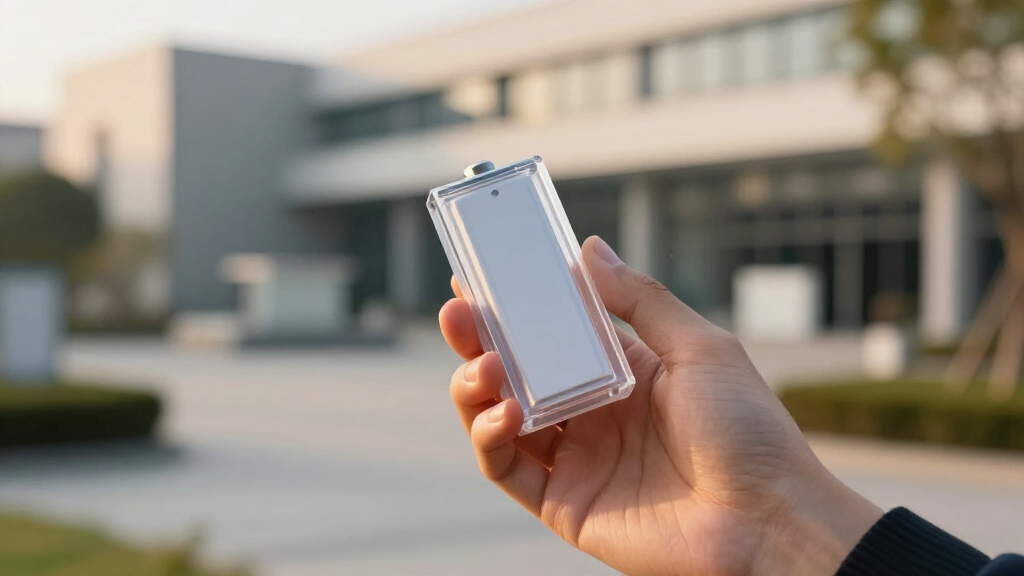
Many companies are investing heavily in solid-state battery technology due to its potential for higher energy density and safety. This push aims to revolutionize electric vehicles and portable electronics, but technical hurdles remain.
Multiple leading automakers and technology firms are actively developing solid-state batteries, aiming to commercialize the technology within the next few years. This surge is driven by the promise of higher energy density, improved safety, and faster charging, which could significantly impact electric vehicle markets and portable electronics.
The push toward solid-state batteries is fueled by their potential to surpass traditional lithium-ion batteries in key areas. Major companies like Toyota, QuantumScape, and Samsung SDI have announced breakthroughs or prototype developments, with some aiming for commercial deployment by 2025 or 2026. These batteries replace liquid electrolytes with solid materials, which can reduce flammability and increase stability. However, technical challenges such as manufacturing scale-up, material durability, and cost remain significant hurdles. Despite these issues, the industry is investing billions into research and development, viewing solid-state technology as a critical step toward more efficient electric vehicles and portable devices.While some companies claim to have achieved significant progress, experts caution that commercial viability still faces substantial obstacles. Analysts note that breakthroughs in manufacturing processes and material science are necessary before widespread adoption can occur. The race to develop reliable, cost-effective solid-state batteries is intensifying, with multiple firms aiming to be first to market.
Implications for Electric Vehicle and Tech Markets
The development of solid-state batteries could transform the electric vehicle industry by enabling cars with longer range, faster charging times, and improved safety. For consumers, this might mean more affordable and reliable EVs in the near future. Additionally, portable electronics could benefit from lighter, more durable batteries, extending device lifespan and reducing safety risks. For automakers and tech firms, leading in this technology could provide a competitive edge and influence global supply chains. However, the timeline for widespread adoption remains uncertain due to ongoing technical challenges.
solid-state battery pack for electric vehicles
As an affiliate, we earn on qualifying purchases.
As an affiliate, we earn on qualifying purchases.
Recent Advances and Industry Investments in Solid-State Tech
Over the past few years, several companies have announced significant milestones in solid-state battery development. Toyota, for example, has committed to commercializing solid-state batteries by 2025, citing ongoing research improvements. QuantumScape, a startup backed by Volkswagen, claims to have developed a prototype with promising energy density and fast-charging capabilities, although it has yet to scale production. Samsung SDI and LG Energy Solution are also investing heavily, aiming to bring their own versions to market within the next few years.
The industry’s interest is driven by the limitations of current lithium-ion batteries, which face safety risks such as flammability and have plateaued in energy density improvements. Governments worldwide are also supporting research through grants and incentives, recognizing the strategic importance of advanced battery technologies in the transition to clean energy.
“Solid-state batteries offer a promising path forward, but scaling production remains the biggest challenge.”
— Dr. Lisa Chen, Battery Scientist
high energy density lithium-ion batteries
As an affiliate, we earn on qualifying purchases.
As an affiliate, we earn on qualifying purchases.
Technical and Commercial Challenges Still Unresolved
While progress has been announced, it is not yet clear when solid-state batteries will be available at scale or how cost-effective they will be. Manufacturing processes, material durability, and long-term stability are still under development. Some industry experts warn that commercial applications might be delayed beyond initial projections, with full-scale production possibly years away.
As an affiliate, we earn on qualifying purchases.
Upcoming Milestones and Industry Testing Phases
In the coming 12-24 months, several companies plan to release prototype vehicles or battery modules for testing. Key industry events, such as auto shows and tech expos, are expected to showcase these advances. Further research breakthroughs and pilot production lines will be critical to determine whether solid-state batteries can meet commercial demands. Regulatory approvals and supply chain developments will also influence the timeline for market entry.
solid electrolyte batteries for electronics
As an affiliate, we earn on qualifying purchases.
As an affiliate, we earn on qualifying purchases.
Key Questions
What are solid-state batteries?
Solid-state batteries replace the liquid electrolyte found in traditional lithium-ion batteries with a solid material, which can improve safety, energy density, and charging speed.
Why are companies so interested in solid-state batteries?
They offer the potential for longer-lasting, safer, and faster-charging batteries, which could revolutionize electric vehicles and portable electronics.
What are the main challenges in developing solid-state batteries?
Key challenges include scaling manufacturing processes, ensuring long-term stability of solid materials, and reducing production costs to make them commercially viable.
When might solid-state batteries be available to consumers?
Most industry experts expect prototypes and pilot projects within the next 1-2 years, but full commercial availability could still be several years away due to technical and manufacturing hurdles.
How will solid-state batteries impact electric vehicle prices?
If successfully commercialized, they could initially increase costs due to advanced materials, but over time, mass production might reduce prices and improve vehicle affordability.
Source: hn
Fall Picks
fall essentials
As an affiliate, we earn on qualifying purchases.